How to Prepare for the Eye Test: Exercises You Can Do at Home

You cannot study for an eye test the way you study for a theory exam. There is no list of answers to memorise, and the chart will show what it shows. Even so, there are things you can do at home in the days before the test that help you read the chart at your best. If you want to prepare for the eye test, the goal is not to change your eyesight overnight. It is to arrive rested, relaxed and familiar with the test, so that nerves and tired eyes do not cost you a line on the chart.
This guide collects the home exercises and habits that actually help before a driving licence eye test. You will learn simple focusing exercises, how to give your eyes a proper break from screens, why sleep matters more than any exercise, and how to practise with a chart without fooling yourself. It also explains clearly what exercises cannot do, so that you do not waste money on programmes that promise to cure short-sightedness.
Prepare for Eye Test: What Actually Helps
Preparing for the eye test means two things. The first is making sure your eyes are in the best condition they can be in on the day, which is about rest, light and not straining your eyes in the hours before the test. The second is knowing what will happen, so that you are not nervous when the tester covers one eye and asks you to read the smallest line you can see. Both are within your control, and both are free.
The most useful preparation is also the most boring: sleep well the night before, avoid a long screen session in the morning, and wear the glasses or contact lenses you normally use. If your prescription is up to date, the test should be straightforward. If your glasses are two years old and you have been squinting at road signs, no exercise will fix that, and you should have your eyes measured properly before you book the test.
What follows is a set of exercises and habits that help many people read the chart at their best. None of them is medical treatment, none of them changes the shape of your eye, and none of them replaces glasses if you need them. Think of them as warming up before a match: they help you perform at your normal level, and they make the test feel familiar instead of stressful.
Eye Exercises You Can Do at Home
The best-known home exercise is focusing practice. Hold your thumb or a pen at arm length, look at it for a few seconds, then look at something far away, such as a tree or a building outside your window, and hold your gaze for a few seconds. Repeat this ten times, once or twice a day. The exercise stretches the focusing muscle inside the eye, which relaxes after long periods of close work, and it trains your eyes to switch between near and far vision, which is what you do constantly while driving.
A second exercise is the figure-of-eight. Imagine a large figure eight lying on its side, about two metres in front of you, and follow it slowly with your eyes for thirty seconds, then change direction. Move only your eyes, not your head. This gentle movement is meant to loosen the small muscles that move the eye, and many people find that their eyes feel less stiff afterwards. It will not improve your prescription, but it can make your eyes feel more comfortable after a day at a computer.
A third simple habit is blinking. When we stare at a screen, we blink far less than normal, and our eyes dry out. Dry eyes blur vision and make the chart harder to read. Make a habit of blinking fully and slowly ten times, then looking away from the screen for a few seconds. Do this every twenty minutes during screen work. It sounds too simple to matter, but it keeps the surface of the eye moist, and a moist eye sees more clearly than a dry one.
The 20-20-20 Rule and Screen Breaks
If you work at a computer, the 20-20-20 rule is the single most useful habit to adopt in the week before your eye test. Every twenty minutes, look at something twenty feet away, about six metres, for twenty seconds. The idea is to break up long periods of close focusing, which tire the eyes and can leave your distance vision temporarily less sharp. Over a day of screen work, those short breaks add up to a real difference in how your eyes feel.
Screen breaks also help you sleep better, which matters more than most people realise. Bright screens late at night can delay sleep, and poor sleep makes the chart harder to read the next morning. In the two days before your test, try to finish screen work an hour before bed, keep your bedroom dark, and aim for seven to eight hours of sleep. Arriving at the test after a good night sleep is worth more than any exercise.
If you can, book your eye test for a time of day when you are normally alert, and avoid the hour straight after a long drive or a long video call. Some people see best in the morning, and for them a morning appointment is the right choice. Others feel sharper in the afternoon. There is no magic time, but a time when you feel awake and rested is a better choice than a time when you feel tired.
Sleep, Water and Light
Sleep is the most powerful preparation of all. During sleep, your eyes recover from the strain of the day, the surface of the eye is re-moistened, and your brain processes what you have seen. A single bad night can make you read one line less on the chart, and several bad nights in a row can make your vision feel unreliable. Aim for a full night sleep before the test, and do not try to catch up by sleeping in on the day itself, because that can leave you groggy.
Water also matters. If you are dehydrated, your eyes produce fewer tears, and the surface of the eye dries out faster. Drink normally on the day of the test and in the days before it, and avoid spending hours in a room with dry air conditioning without a break. You do not need special eye drops or supplements, and overusing artificial tears before the test can leave a film on the eye that blurs the chart. Plain water and normal blinking are enough.
Light matters too. Your eyes adjust to the light around you, and moving from bright daylight into a dim examination room, or the other way round, can take a few minutes to adjust. Arrive a few minutes early and sit in the waiting room, so your eyes have time to adapt to the indoor light. If you have just been driving into low sun, give your eyes a few minutes of rest before the tester starts. These small details are what preparation really means.
Practising with Charts and Apps
Many learners practise the eye test at home with a printed chart or a phone app. That can be useful, because it shows you what the test looks like and how to read the letters or the Landolt rings. Print a standard eye chart, tape it to a wall at the distance the chart says, and read the lines with each eye covered. Do not memorise the chart, because the real test uses a different chart, but do learn how to read it calmly and steadily.
Phone apps that test your vision can give you a rough idea of your acuity, but treat the result with care. The screen size, the brightness and the distance all affect the result, and a phone app is not a standardised test. If an app says you are below 0.7, treat that as a reason to visit an optician for a proper measurement, not as a final diagnosis. Our guide to practising the eye test online lists the best free exercises and explains which ones are worth your time.
If you wear glasses, practise with them on, because that is how you will take the real test. If you are used to reading without glasses at home, put them on for the practice, so that the test feels normal. The same is true for contact lenses. The goal of practice is to make the test feel familiar, so take it seriously, sit at the right distance, and use the same light you would have in the examination room.
What Exercises Cannot Do
It is important to be honest about this. No exercise can change the shape of your eyeball, shorten or lengthen it, or cure short-sightedness, long-sightedness or astigmatism. These conditions come from the shape of the eye and the way it focuses light, and they are corrected with glasses, contact lenses or surgery, not with eye movements. Programmes that promise to throw away your glasses in a few weeks are not based on evidence, and some of them charge money for simple exercises you can do for free.
Exercises also cannot fix an eye disease. If you have cataracts, glaucoma or a problem with your retina, no amount of focusing practice will help, and delaying treatment to try exercises can make the problem worse. If you notice a change in your vision, such as new blurring, a shadow or flashes, see an eye doctor promptly. The eye test is a useful check, but it is not a substitute for medical care.
That does not mean the exercises in this guide are useless. They help your eyes work at their best on the day, they reduce strain, and they build confidence. What they cannot do is take the place of a prescription. If you fail the test, the answer is almost always glasses, and the optician will find the prescription that works. Accepting that is the fastest route to a pass.
Your Test-Day Routine
On the day of the test, follow a simple routine. Sleep well the night before, drink water, eat normally, and avoid a long screen session in the morning. Bring your identity card and your glasses or contact lenses. Arrive ten minutes early, so your eyes can adapt to the indoor light and you are not rushed when the tester calls your name.
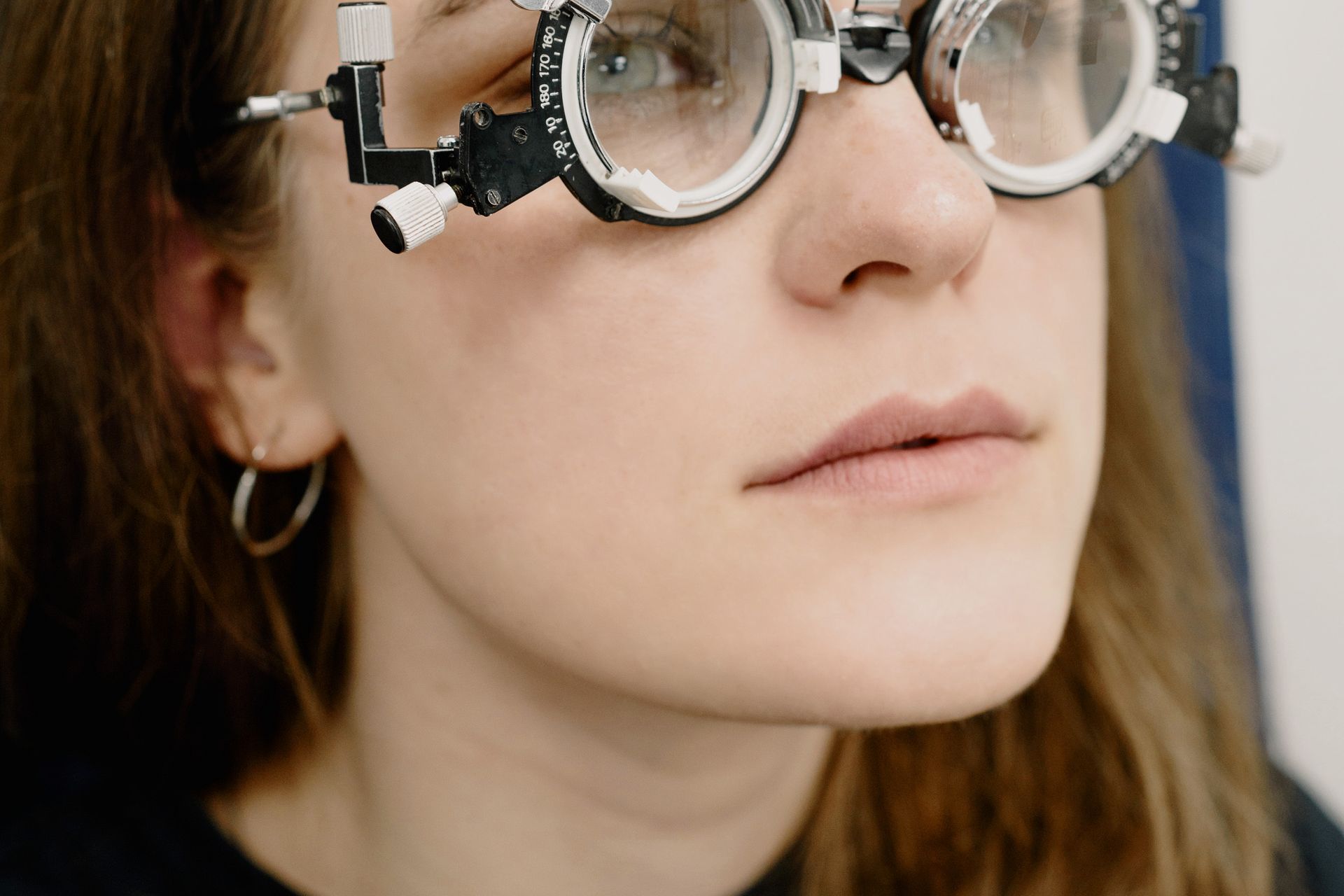
During the test, relax and take your time. If you are unsure about a letter, say so rather than guessing. The tester will ask you to read the row with both eyes and then with each eye, and will note the smallest row you can read reliably. If you feel that your eyes are dry or tired, tell the tester and ask for a short pause. Most opticians are happy to give you a moment, and a rested eye reads better than a strained one.
After the test, whatever the result, you will know where you stand. If you pass, take the certificate to your driving school or keep it for your application. If you need glasses, order them and come back for a quick repeat test. Our 10 tips to pass the driving licence eye test the first time summarises the same ideas in a short checklist, which is a good companion to this guide.
How Long Should You Practise Before the Test?
A few days of gentle practice is enough. Start about a week before the test, and spend ten minutes a day on the exercises: looking at distant objects, moving your focus between near and far, and blinking slowly. That is enough to wake up the focusing muscles without tiring them, and it helps you to feel prepared on the day of the test.
Do not practise for hours the day before the test. Your eyes need rest, not a workout. Heavy practice on the last day can leave the focusing muscles tired, which makes the chart harder to read. The last practice session should be the day before, not the morning of the test, and it should be short and relaxed rather than intense.
Combine the exercises with the basics: sleep, water and clean glasses. The exercises help your focus, but a tired eye will not perform well however much you practise. Sleep well the night before, drink water through the day, and clean your glasses before you leave home. The best preparation is not a harder workout but a calmer, better rested eye, and the exercises are a small part of that preparation rather than the whole of it.
Conclusion
You can prepare for the eye test at home, but the preparation is mostly about rest, routine and familiarity, not about changing your eyesight. Focus exercises, screen breaks, good sleep and practising with a chart will help you read at your best, and they cost nothing. If your prescription is out of date, the most useful preparation is a visit to the optician before the test, so that glasses are ready on the day. With that done, the test itself is short, simple and nothing to worry about.
Frequently Asked Questions
Can I improve my eyesight with exercises before the eye test?
Exercises cannot change your prescription or cure short-sightedness, but they can reduce eye strain, improve focusing comfort and help you read the chart at your best. The most useful preparation is good sleep, screen breaks and an up-to-date prescription.
What is the 20-20-20 rule?
Every twenty minutes of screen work, look at something about six metres away for twenty seconds. The rule breaks up long periods of close focusing and helps your eyes feel less tired over the day.
Should I practise with an eye chart at home?
Yes, practising with a printed chart helps you get used to the test format and to reading letters or Landolt rings calmly. Do not memorise one chart, and treat phone apps as a rough guide rather than a real test.
Does sleep really affect the eye test?
Yes, a bad night can make you read one line less on the chart. Aim for seven to eight hours of sleep the night before the test, and book the test at a time of day when you normally feel alert.
Can I wear contact lenses to the test after practising at home?
Yes, take the test with the correction you normally use for driving, whether that is glasses or contact lenses. Practise with that correction on, so the real test feels familiar.
What if I still fail after preparing?
The usual reason is that you need glasses or a stronger prescription. Ask the optician to measure your eyes, order the glasses, and repeat the test wearing them. Most learners pass on the second attempt.