Eye Test in Munich: Where Expats Can Take the Driving Licence Eye Test

Moving to Munich is exciting: a new job, a flat near the Isar, weekends in the English Garden and, sooner or later, a German driving licence. If you are an expat who wants to drive in Bavaria, one small step stands between you and the road, and it is easy to put off until the last minute. An eye test Munich newcomers can book in under an hour is the official vision check the German authorities require before most driving licence applications, and this guide explains exactly where to take it, what it costs, what to bring and what happens if your eyesight is not quite good enough on the day.
An eye test Munich opticians perform for driving licence applicants is not a full eye examination and it is not a medical check-up. It is a short, standardised test of your visual acuity, carried out at an optician or by an officially recognised testing centre, and it ends with a certificate that you hand in with your licence application. The whole appointment usually takes between ten and thirty minutes, you do not need an appointment at many shops, and you can walk out with the certificate in your hand. For most expats, the hardest part is not the test itself. It is knowing where to go, what the certificate is called in German, and whether your German is good enough to get through the appointment.
This article answers those questions for Munich specifically. You will find English-friendly places to take the test, realistic prices for 2026, the documents to bring, and the differences between the test for a first licence, a licence exchange and a professional licence. If you are still deciding between cities, our guide to the eye test in Berlin for expats follows the same rules with different local addresses, and our overview of the eye test for a German driving licence, including cost and where to go, covers the national rules that apply in Munich as well. Read this guide first, book the test, and you will have one of the most confusing items on your licence checklist finished before lunch.
What Is the Driving Licence Eye Test in Germany?
The driving licence eye test, known in German as the Sehtest, is a legally required vision test for most people who apply for a German driving licence for the first time. The test measures how sharply you can see, with and without glasses or contact lenses, and it checks that your vision meets the minimum standard for safe driving. It is regulated by the German driving licence ordinance, the Fahrerlaubnis-Verordnung, and the result is recorded on an official certificate, the Sehtestbescheinigung. That certificate is normally valid for two years, so you can take the test before you apply and hand the certificate in later, as long as it is still in date.
The test itself is simple. You sit or stand at a set distance from a chart or a testing machine, you read letters, numbers or symbols in rows that get smaller, and you say which direction the openings of the Landolt rings point, or which letters you can still read clearly. If you wear glasses or contact lenses, you take the test with them, and the certificate will record that you need a visual aid for driving. That note then appears on your licence as a code, and you must wear your glasses or lenses whenever you drive. The test does not check your colour vision in depth, it does not examine the health of your eyes, and it does not replace a visit to an ophthalmologist if you have eye problems. It answers one question only: can you see well enough, with correction if you use it, to drive safely?
For an eye test Munich applicants take at a high-street optician, the procedure is almost identical to the one used anywhere else in Germany. The optician uses a calibrated testing device, records your visual acuity for each eye, and issues the certificate on the spot if you pass. Some opticians use a wall chart, others use a modern testing machine that looks like a pair of binoculars mounted on a stand. Both are accepted, as long as the testing centre is officially recognised. That recognition matters: a test done by a friend, at home, or at a shop that is not authorised will not be accepted by the driving licence authority, the Fahrerlaubnisbehörde, in Munich.
One point that surprises many expats is how short the certificate is valid for. Two years sounds generous, but licence applications in Munich can take weeks or months, especially if you also need a first-aid course, a theory test and driving lessons. Do not take the eye test a year before you plan to apply, and do not leave it until the day before your appointment at the authority either. A good rule is to take the test once you have started your licence process and you know roughly when you will submit your application, so the certificate is fresh and you do not have to pay for it twice.
Do Expats in Munich Need an Eye Test?
Most expats in Munich do need an eye test, but not every expat needs one in the same situation. If you are applying for a German driving licence for the first time, you need the test. If you are exchanging a foreign licence for a German one, you may need it, depending on where your licence was issued and which class you want. If you already hold a valid EU or EEA driving licence and you are simply living in Germany, you normally do not need a German eye test at all, because your EU licence remains valid and you can drive with it. The confusion comes from the fact that these three situations look similar from the outside, but the German rules treat them very differently.
New drivers are the clearest case. If you have never held a driving licence, or your foreign licence is not recognised for exchange, you will go through the full German process, and the eye test is one of the first documents the driving school and the authority will ask for. You will need it before you can register for the theory test, and your driving school will usually ask to see it at your first lesson. Book it early, because it is the cheapest and quickest item on the list, and getting it done removes one source of delay.
Expats exchanging a non-EU licence often need the test as well. Many countries outside the EU have reciprocal agreements with Germany, and others do not, but in both cases the authority usually asks for an eye test certificate when you apply for a German licence. The test is the same Sehtest, it costs the same, and it is done at the same opticians. The only difference is the paperwork around it: you will also need a translation of your licence, a first-aid certificate in some cases, and sometimes a theory or practical test, depending on your country of origin.
EU licence holders are the exception, and it is an important one. If you hold a licence issued in another EU or EEA country, you can normally drive in Germany with that licence until it expires, and you do not need a German eye test to keep driving. You only enter the German system, and therefore only need a German eye test, if you exchange your EU licence for a German one, if you apply for a new class, or if you are told by an authority that a medical or vision check is required for another reason. Many expats in Munich drive for years on a French, Spanish, Polish or Dutch licence without ever taking a German Sehtest, and that is entirely legal. The moment you decide to exchange, however, the eye test becomes part of the application, so it is worth knowing where to get it before that day arrives.
Eye Test Munich: Where to Take the Test
The easiest place for most expats to take an eye test Munich driving schools accept is a large optician chain in the city centre. Fielmann, Apollo Optik, Mister Spex and Pro Optik all have branches in Munich, and most of them offer the Sehtest for driving licences, often without an appointment and often free of charge or for a small fee. The big chains are used to licence applicants, they have the official testing equipment, and they issue the certificate immediately. You can walk in, say you need a Sehtest for your driving licence, and be finished in about fifteen minutes. Smaller independent opticians in neighbourhoods such as Schwabing, Glockenbach, Sendling, Pasing and Giesing also offer the test, and they can be a good choice if you want a quieter appointment or a more personal service.
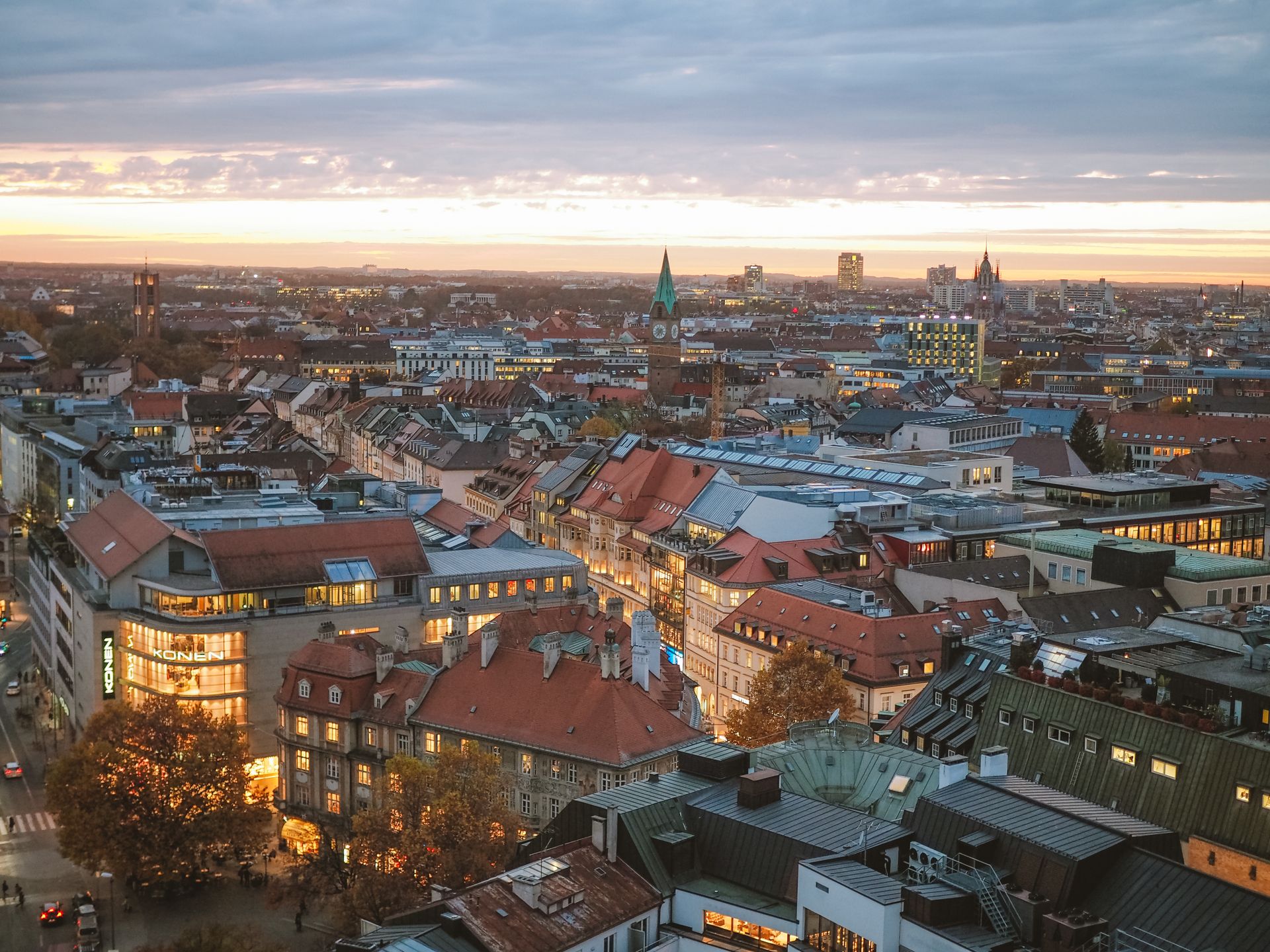
Location matters more than most people expect. If you live in central Munich, the branches around Marienplatz, Karlsplatz and the Hauptbahnhof are the most convenient, and they are also the most likely to have English-speaking staff. If you live further out, in places such as Garching, Freising, Dachau or the suburbs to the south, a local optician near your home will save you a trip into the centre, and the certificate is exactly the same wherever you take it. There is no advantage to taking the test at a particular branch, and the authority does not care which optician issued your certificate, as long as it is a recognised testing centre. Choose the branch that is easiest for you to reach, and check its opening hours before you go, because some smaller shops close for lunch or on Saturdays.
English is the question most expats ask about first. In central Munich, many opticians speak good English, and the test itself needs very little language. You will be asked to read letters or to say which way a ring is open, and the staff can usually explain that in English, or demonstrate it with a gesture. It helps to learn the German phrase in advance: Ich brauche einen Sehtest für den Führerschein. That one sentence, which means I need an eye test for my driving licence, will get you through the door in any shop in Munich, even if the rest of the conversation is in English. If you are nervous about language, call ahead or choose a large chain in the centre, where English-speaking staff are common. Do not let the language question delay the test: the procedure is visual, not verbal, and thousands of expats take it every year with basic German.
Some driving schools in Munich also arrange the eye test for their students, either at the school or at a partner optician nearby. If you have already chosen a driving school, ask them where they recommend you go. They will often know which optician nearby is quickest, and they may even book the appointment for you. An eye test Munich driving schools recommend is not a different test, it is simply the same Sehtest at a shop the school trusts. You can also take the test at a testing centre run by the TÜV or DEKRA, or at an ophthalmologist, but for most applicants an optician is faster, cheaper and easier to reach.
How Much Does an Eye Test Munich Cost?
An eye test Munich opticians charge for is one of the cheapest parts of getting a German driving licence. Many large chains offer the Sehtest free of charge, especially if you are a customer or if they hope you will buy glasses from them later. Others charge between about five and fifteen euros, and a test at a TÜV or DEKRA centre or at an ophthalmologist can cost more, sometimes twenty to thirty euros. Prices vary by shop and by year, so the figure you pay in Munich in 2026 may be a few euros different from the figure a friend paid last year, but the test should never be expensive. If a shop quotes you a price above thirty euros for a standard Sehtest, ask what is included, and consider trying another optician first.
There is no need to pay for an extra eye examination unless you want one. Some opticians will offer a more detailed vision check, a contact lens fitting, or a new pair of glasses after the test, and those are separate services with separate prices. The Sehtest certificate itself is the only document you need for your licence application, and you should not feel obliged to buy anything else. That said, if the test shows that your vision has changed since your last glasses prescription, it is worth getting a proper eye examination and updating your glasses before your practical driving test, because you will be tested again in real driving conditions, and clear vision makes learning to drive in Munich traffic much easier.
Compare the cost of the eye test with the rest of the licence process and it puts the price in perspective. A first-aid course, theory lessons, driving lessons and the authority fees together run into hundreds or thousands of euros, while the eye test is often free. It is the one item on the list where shopping around saves you only a few euros, so choose convenience over price. Go to the optician nearest your home or your driving school, take the test, and move on to the bigger items.
What to Bring and What Happens During the Test
You do not need much for an eye test Munich opticians run. Bring your passport or residence permit, your glasses or contact lenses if you use them, and, if you have one, your existing driving licence. You do not need a referral from a doctor, and you do not need to bring a photo. Arrive with your glasses clean and your contact lenses in, because the test is taken with the correction you will drive with. If you normally wear glasses but arrive without them, the optician can still test you, but the certificate will not reflect how you actually drive, and you may have to repeat the test.
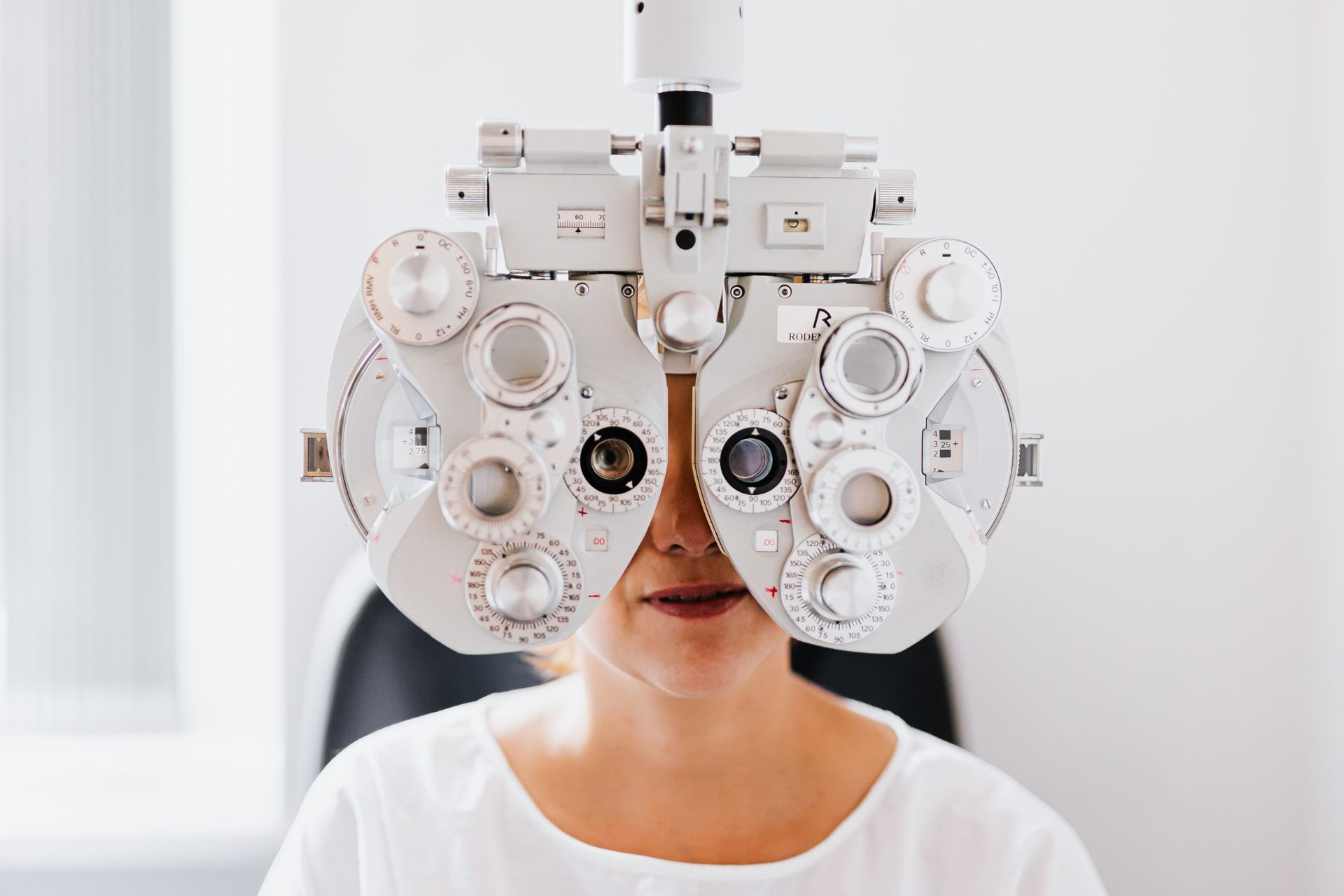
During the test, you will look into a testing machine or at a chart and read the smallest lines you can see clearly, first with one eye and then with the other. The optician will ask you to read letters, or to say whether the gap in a ring is at the top, bottom, left or right. There is no pain, no drops in your eyes, and no need to undress or prepare in advance. If you wear contact lenses, tell the optician before you start, and if you have recently changed your glasses, mention that too. The whole test takes about ten minutes, and you will know the result straight away. If you pass, the optician prints or writes the certificate and hands it to you. Keep it safe: it is a paper document, and the authority will want the original.
Eye Test Munich for Different Licence Classes and If You Fail
For a standard car licence, class B, the basic Sehtest is enough. For lorry and bus licences, classes C and D, the rules are stricter: you need a full ophthalmological examination, not just the short optician test, and the vision standards are higher. If you are applying for a professional licence in Munich, ask your driving school or the authority which examination you need, and book it with an ophthalmologist rather than a high-street optician. The same applies if you are renewing a professional licence or if you have a known eye condition. For most expats who only want to drive a car, however, the short test described in this guide is all you need.
If you fail the test, do not panic. A failed Sehtest usually means your vision, with your current glasses, does not meet the minimum standard, and the most common fix is a new pair of glasses or contact lenses. Book an eye examination with an optometrist or ophthalmologist, get a new prescription, and take the Sehtest again with the new correction. Many people pass on the second attempt. In some cases, the optician will refer you to an ophthalmologist for a more detailed check, especially if your vision cannot be corrected to the required level with glasses alone. That referral is not a rejection of your licence application: it is a step towards finding the right correction, and it is better to discover a vision problem at the optician than on the road.
Tips for Expats Taking an Eye Test Munich
Book the test in the morning if you can, when your eyes are rested, and avoid taking it after a long day staring at a screen. Bring your glasses even if you usually wear contact lenses, so the optician can check both. Take the certificate home in a folder with your other licence documents, and make a copy or a photo of it for your own records. If you are also taking a first-aid course and theory lessons, do the eye test first: it is the quickest win, and it gives you confidence for the rest of the process. Finally, remember that an eye test Munich expats take is the same test Germans take, with the same standard and the same certificate, so there is nothing special to worry about. You are not at a disadvantage because you are foreign, and the optician has done this test hundreds of times before.

Frequently Asked Questions
How long does an eye test in Munich take? Usually ten to thirty minutes, including the paperwork and the certificate. Most opticians do not require an appointment, so you can walk in and be finished within the hour.
How much does an eye test in Munich cost? Many opticians offer it free of charge, and most others charge between five and fifteen euros. A test at a TÜV or DEKRA centre or an ophthalmologist can cost twenty to thirty euros.
Do I need to speak German for the eye test? Very little German is needed. The test is visual, and staff at large opticians in central Munich often speak English. Learning the phrase Ich brauche einen Sehtest für den Führerschein will help you get started.
How long is the eye test certificate valid? Two years from the date of the test. Take the test once you have started your licence process, so the certificate is still valid when you submit your application.
Can I take the eye test with glasses or contact lenses? Yes, and you should. The test is taken with the correction you will drive with, and your certificate and licence will record that you need glasses or lenses while driving.

Conclusion
An eye test Munich expats need for a German driving licence is a short, cheap and straightforward step, and there is no reason to leave it until the end of your application. Walk into an optician in the city centre or near your home, bring your glasses and your ID, and you can leave with the official certificate in under half an hour. Choose a large chain for English-speaking staff and no appointment, or a local optician for a quieter visit, and remember that the certificate is valid for two years. Once the test is done, you can focus on the first-aid course, the theory test and your driving lessons, knowing that one important document is already in your folder. Munich is a wonderful city to drive in, from the ring roads to the roads out towards the Alps, and a clear view of the road is the first step to enjoying it safely.