Eye Test for Driving Licence Extension: B to A and Other Upgrades

You have held your car licence for a while, and now you want more: a motorbike, a lorry, a bus, or simply the freedom to tow a bigger trailer. The question that comes up almost immediately is whether the eye test for driving licence extension and upgrade is the same one you took years ago, or whether you have to start again. The short answer is that an upgrade is treated as a new application, and a new application usually means a new eye test. Your old certificate may still be valid in theory, but the rules about when it counts, which classes need only an eye test and which need a full medical, and how long the certificate stays usable are strict enough that most people end up booking a fresh test.
That is not a punishment. It is the system making sure that the eyes that were good enough for a car years ago are still good enough for a vehicle that is faster, heavier or carries passengers. A motorbike asks more of your peripheral vision and your ability to judge speed. A lorry asks more of your visual field and your ability to read signs at distance in bad weather. A bus adds the responsibility for dozens of passengers. Each of those steps up the requirements, and the eye test is the first and simplest check in the chain.
This guide explains the eye test for driving licence extension in plain language: when an upgrade needs a new eye test, what changes when you move from class B to class A, what the professional classes C and D demand on top of the eye test, how much it costs, how long the certificate stays valid, and what to do if you fail. It also covers the small traps, such as an old certificate that has expired while you were deciding, and the glasses entry that follows you from one class to the next.
When do you need a new eye test for an extension?
An extension of your driving licence is, in the language of the driving licence authority, an application for a new class. You are not renewing something you already have; you are asking for permission to drive a vehicle you were not allowed to drive before. That is why the authority asks for the same proof of fitness you gave the first time: an eye test certificate, and for the professional classes, a medical certificate as well. The eye test certificate you handed in for your class B licence years ago is on file, but it is almost certainly too old to count now, because the certificate is only valid for two years from the date of the test.
The two-year rule is the single most important fact in this article. If you took your eye test less than two years ago and you can still produce the original certificate, the authority may accept it for an upgrade, provided the class you are applying for does not demand stricter limits than the test you took. In practice, that situation is rare. Most people who upgrade have held their licence for years, and their original eye test is long past its two-year validity. When the certificate has expired, there is no shortcut: you book a new eye test, pay the fee, and hand in a fresh certificate. The old one cannot be extended or renewed; a new test is always required.
There is one exception worth knowing about. If you already hold a professional class, for example class C, and you apply for class D, the authority will still want current proof, but the medical and eye test you did for your last five-year renewal may be recent enough to be reused if it is still within its validity period. That is a matter for the authority to decide, and it depends on the exact dates, so ask before you assume. For the common cases, B to A, B to C, B to D and B to BE, plan on a new eye test. It costs little, takes minutes, and removes the one document that most often delays an application.
From B to A: the motorbike upgrade
Moving from class B to class A is the most popular upgrade in Germany. The direct route is class A2 at 18, then class A after two years of riding, or direct access to class A at 24, and there is also the well-known B196 route, which lets experienced car drivers ride a 125cc motorbike after a short training course without a full test. Whichever route you take, the eye test question is the same: the authority wants a current eye test certificate for the new class. The visual requirements for class A are the same as for class B, a binocular visual acuity of at least 0.5, so if you passed for your car, you will almost certainly pass for your motorbike, provided your eyesight has not changed in the meantime.
That last condition is exactly why the test is repeated. Years pass between a car licence and a motorbike licence. Prescriptions drift, a slight astigmatism creeps in, or you start needing glasses for reading and do not realise it affects your distance vision too. The eye test for the motorbike upgrade catches those changes before you are riding at 100 kilometres per hour with traffic around you. The test itself is the same one you remember: a wall chart or a vision testing device, letters and rings, one eye at a time and then both together, with your glasses or contact lenses if you wear them, and a short check of your visual field.
One practical point for motorbike applicants: take your helmet with you to the eye test only if you want advice, not because the optician needs it. What the optician does need is to know which correction you will actually ride with. If you wear contact lenses under your helmet, do the test in the lenses. If you wear glasses, do it in the glasses. The entry that results, the corrective lenses note, will be printed on your new licence, and it will apply to everything you ride and drive. If you later switch from glasses to contact lenses, the entry still covers you, because both count as corrective lenses, but the test result itself must have been achieved with a correction you actually use.
From B to C or D: the professional upgrade
The step from class B to class C, the lorry licence, or class D, the bus licence, is bigger in every way, and the eye test is only the first part of it. For these classes the visual acuity requirement rises to 0.8 binocular, with each eye at least 0.5 on its own in most cases, and the visual field must be wider than for a car. Colour vision is tested with plates, and the examiner will ask about double vision, night blindness and any eye disease. If you wear glasses, the correction must bring you up to the standard, and there are limits on how strong the correction may be for professional drivers.
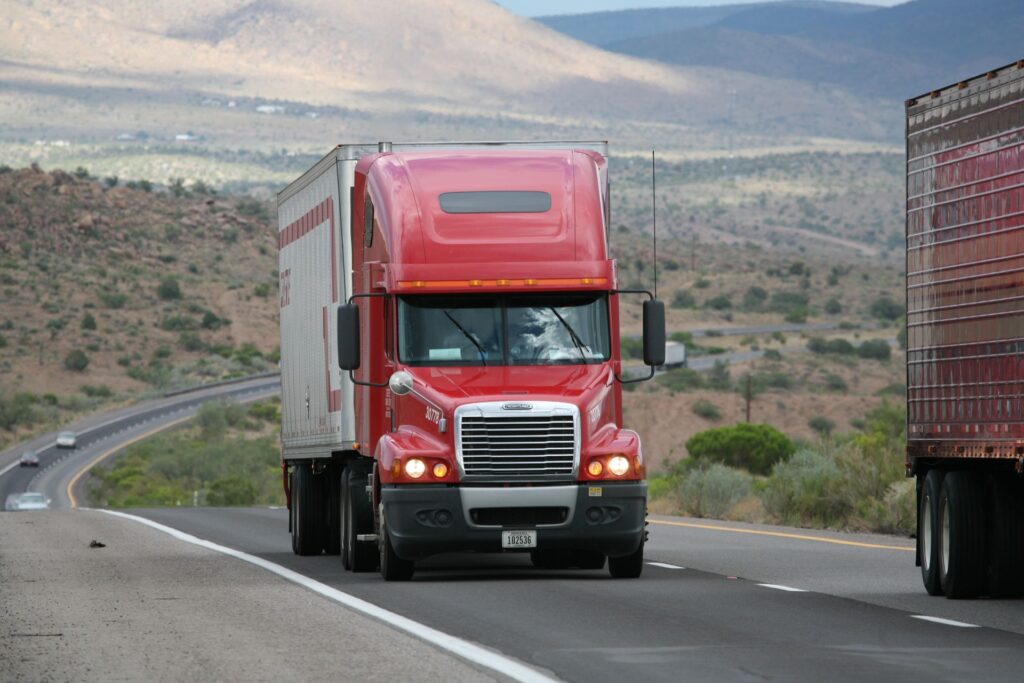
On top of the eye test, classes C and D require a full medical examination by a doctor, and from age 50 the medical must be repeated every five years when the licence itself is renewed. The medical covers your general health, your blood pressure, your blood sugar, your hearing and your reaction times, and it includes the eye test results. Many doctors do the eye test as part of the medical, so you may not need a separate visit to the optician at all. If the doctor finds a problem with your eyes, they will refer you to an ophthalmologist for a detailed report, and that report decides whether you can drive professionally.
The timing matters. The medical certificate is valid for one year from the date of the examination, and the eye test certificate for two years, but the driving licence authority will want both to be current when you apply. If you take the eye test in January and the medical in November, the eye test is still valid, but the paperwork can get confusing, so most applicants do both in the same few weeks. Book the eye test first, because it is quick and cheap; if you pass it comfortably, the medical is the next step. If you struggle with the eye test, you have time to see an ophthalmologist, adjust your prescription and retest before the medical, rather than discovering a problem at the most expensive stage of the application.
Costs, validity and what to bring
The eye test for a licence extension is one of the cheapest steps in the whole upgrade. At an optician it usually costs between six and fifteen euros, and many opticians do it free of charge if you buy glasses from them or if you are already a customer. At the doctor, as part of the medical for classes C and D, the eye test is included in the medical fee, which is usually between 100 and 200 euros depending on the doctor and the region. The ophthalmologist’s report, if one is needed, costs more, typically between 80 and 250 euros, and it is worth asking the price in advance.
The eye test certificate itself is valid for two years, and that clock starts on the day of the test, not the day you hand it in. If your upgrade takes longer than expected, for example because you need several attempts at the theory test, check the date on the certificate before you apply, because an expired certificate means a new test. The medical certificate for the professional classes is valid for one year, which is the tighter deadline, so plan the two together. Bring your identity card or passport, your current driving licence, and your glasses or contact lenses, plus their prescription if you have it. If you wear contact lenses, bring your glasses as a backup, because the tester may want to check your vision with and without correction.
One document that often causes confusion is the glasses passport, the small card your optician gives you with your prescription on it. It is useful for ordering new glasses, but it is not a substitute for the eye test certificate. The authority wants the official certificate with the optician’s or doctor’s stamp, your name, the date and the result. Keep the original, because the authority will keep it, and make a copy for yourself. If you lose the original before you apply, the optician can usually issue a duplicate from their records, but only while the two-year validity lasts.
What happens if you fail the eye test during an upgrade?
Failing the eye test during an upgrade is not the end of the road, but it does stop the application until the problem is solved. The most common reason for a failed test is an out-of-date prescription. Many people who passed years ago have had their vision drift without noticing, because the change is gradual and the brain compensates. A new pair of glasses, or a stronger prescription in your contact lenses, is often all that is needed. Book an appointment with your optician, get a full refraction, and retake the eye test with the new correction.
If new glasses do not bring you up to the standard for the class you want, the next step is the ophthalmologist. The eye doctor can check for cataracts, changes in the retina, early glaucoma and other conditions that an optician’s chart cannot diagnose, and can tell you whether the problem is correctable. For class A, the standard is the same as for class B, so the ophthalmologist’s report is rarely needed. For classes C and D, where the limits are stricter, the report is more common, and it can also set conditions, for example that you may drive only with a specific correction, or that your licence is limited to a certain period and must be rechecked.
There is one outcome to be aware of. If your vision cannot be corrected to the standard for the class you applied for, the authority will refuse that class, but it will not take away the classes you already hold, provided your vision still meets their standard. So a failed eye test for class C does not cost you your class B licence. You can also reapply later if your vision improves, for example after a cataract operation, with a new eye test and a new medical. Knowing that the stakes are limited to the new class makes it easier to attempt the upgrade, and to accept the result if it does not go your way this time.
Frequently Asked Questions
Do I need a new eye test to upgrade from B to A? Yes, in most cases. The authority treats an upgrade as a new application, and the eye test certificate from your original licence is almost always older than the two-year validity limit, so you will need a fresh test. The visual standard for class A is the same as for class B.
Can I use my old eye test certificate for an upgrade? Only if it is less than two years old and the class you are applying for does not demand stricter limits than the test you took. For a B to A upgrade that is possible in theory, but in practice most upgrades happen years after the original test, so a new certificate is needed.
Does the eye test for class C and D cost extra? The eye test at the optician costs the usual six to fifteen euros, but for classes C and D you also need a medical examination, which costs between 100 and 200 euros. Many doctors include the eye test in the medical, so you may not need a separate visit to the optician.
What if I fail the eye test for the upgrade? The application stops until the problem is solved. Usually a new prescription is enough. If not, an ophthalmologist’s report decides whether you meet the standard. Failing for a new class does not affect the classes you already hold.
Does the corrective lenses entry carry over to the new class? Yes. If your licence says you must wear corrective lenses, that entry is printed on your new licence too, and it applies to every class you hold. If your vision improves and the entry is no longer needed, ask the authority to remove it and provide a current eye test to prove it.
Conclusion
Upgrading your driving licence is an exciting step, whether it leads to a motorbike, a lorry or a bus, and the eye test is the simplest part of it. Expect to need a new certificate, because the two-year rule makes your original test too old in almost every case. For class A the standard is the same as for your car, so the test is a formality if your prescription is current. For classes C and D the standard is stricter and a medical is required as well, so plan both together and leave time for an ophthalmologist if the first test does not go well.
The best way to prepare is the same as for any eye test: sleep well, bring your glasses or contact lenses, and get your prescription checked before the test rather than after a failure. Do that, and the eye test for driving licence extension becomes a ten-minute formality on the way to the vehicle you really want to drive. Learn more about the differences between the licence classes, the five-year renewal for professional drivers, and the eye test for professional drivers.