Eye Test and High Blood Pressure: What Drivers Should Know

Introduction
Eye test and high blood pressure is a topic that every driver with high blood pressure should understand, because high blood pressure does not only affect your heart, it also affects your eyes. High blood pressure, called Hypertonie in German, is the most common chronic health problem in Germany, and it affects nearly one in three adults. It damages the small blood vessels in the retina, the light-sensitive layer at the back of the eye, and over time it can reduce your visual acuity, narrow your visual field, and increase your risk of a stroke that can affect your vision overnight. This guide explains what eye test and high blood pressure means for drivers, how the German eye test works, and how you can keep your licence and stay safe.
Eye test and high blood pressure matters because many drivers do not know that they have high blood pressure, or that it is affecting their eyes. High blood pressure usually has no symptoms, until it has already caused damage. A routine eye test can be the first sign that something is wrong, because an optician or ophthalmologist can see the changes in the small blood vessels of your retina during a simple eye examination. A driver who has just passed the eye test can still have early hypertensive retinopathy, which is the eye disease caused by high blood pressure, and it can worsen over the years if the blood pressure is not controlled.
In this article, you will learn how high blood pressure damages the eyes, how the eye test and high blood pressure are connected for drivers, what visual acuity you need for a car licence in Germany, when the driving licence office can ask for a medical report, and which treatment and lifestyle changes protect your eyes and your licence. You will also find practical advice on checking your blood pressure, on preparing for the eye test, and on what to do if you fail. By the end, you will know how to protect both your health and your licence, and how to drive safely in Germany with high blood pressure.

How High Blood Pressure Damages Your Eyes
Eye test and high blood pressure goes together because high blood pressure damages the small blood vessels throughout the body, and the retina is full of tiny blood vessels. When blood pressure is high for a long time, the walls of those vessels become thick, narrow, and stiff, and less oxygen reaches the retina. The vessels can leak fluid, bleed, or close off, which damages the retina and reduces your vision. This condition is called hypertensive retinopathy, and it is graded from mild to severe, depending on how much damage the ophthalmologist can see in the back of your eye.
Eye test and high blood pressure is also important because high blood pressure increases the risk of a stroke, and a stroke can affect your vision in a way that you cannot ignore. A stroke in the part of the brain that processes vision can cause a blind area in one side of your visual field, called hemianopia, and that can make you unfit to drive until the doctor has checked your visual field and your visual acuity. High blood pressure also increases the risk of a blockage in a retinal blood vessel, which can cause sudden vision loss in one eye, and it increases the risk of glaucoma, which damages the optic nerve and narrows your visual field slowly over years.
The good news is that hypertensive retinopathy can be treated and, in many cases, slowed down or stopped, especially when the blood pressure is controlled early. Blood pressure medication, a healthy diet, regular exercise, and not smoking all help to protect your eyes. The key is to check your blood pressure regularly, to take your medication as your doctor tells you, and to have your eyes checked at least once a year by an ophthalmologist if you have high blood pressure, even if you feel well and can read an eye chart without any problem.
Eye Test and High Blood Pressure: How the German Test Works
Eye test and high blood pressure begins with the standard German driving licence eye test, the Sehtest, for a first licence, or with a medical examination for a lorry or bus licence. You go to an optician or an authorised doctor, bring your identity card or passport, and read letters or numbers from an eye chart, first with one eye covered, then with the other, and then with both eyes together. The test is done with your glasses or contact lenses if you use them, and the result is a visual acuity value, called Visus, which must be at least 0.7 with both eyes together for a car licence, with or without a visual aid. The fee is between 6.43 and 15 euros.
Eye test and high blood pressure does not check your blood pressure, and the optician does not ask for your blood pressure reading, but the optician can see the effects of high blood pressure on your retina if she refers you to an ophthalmologist. The ophthalmologist will check the blood vessels in the retina, measure your eye pressure, and test your visual field, and she will write a report if your eyes are damaged. That report can be used by the driving licence office if it needs to decide whether you are fit to drive, and it can also be used by your doctor to adjust your blood pressure medication.
The Ophthalmological Examination
Eye test and high blood pressure is completed by an ophthalmological examination, which is the next step if the optician finds a problem. The ophthalmologist will dilate your pupils with eye drops, so that she can see the retina clearly, and then examine the back of your eye with a special lamp. She will look for narrowed blood vessels, bleeding, swelling, and signs of glaucoma, and she will compare the findings with your blood pressure readings. She may also take photographs of your retina, so that the changes can be compared from year to year, and so that your doctor can see whether the blood pressure treatment is working.
Eye test and high blood pressure also involves a visual field test, because high blood pressure and glaucoma can narrow the visual field. The visual field test at the ophthalmologist is a computerised test, called perimetry, that maps your field in detail and shows whether there are any blind areas. A normal visual acuity with a narrowed visual field can still be a problem for driving, because a hazard can come from the side, and the licence office will expect the ophthalmologist to report it. You should not drive yourself to the appointment, because the pupil drops make your vision blurry for a few hours.
The Legal Rules for Drivers with High Blood Pressure
Eye test and high blood pressure is covered by the legal rules for fitness to drive in Germany, in the driving licence regulation, the Fahrerlaubnis-Verordnung, and its annex on fitness to drive. High blood pressure on its own is not a reason to refuse a driving licence, as long as it is well controlled and there is no serious eye damage. The rule for a car licence is that a driver with high blood pressure can drive if the blood pressure is treated, if the visual acuity and visual field are within the normal limits, and if there is no other health problem that could affect driving, such as a recent stroke or a heart condition that could cause sudden unconsciousness.
The rules are stricter for lorry and bus drivers, who need a medical examination every five years, and every five years after the age of 50, including a check of their blood pressure, their eyes, and their heart. A lorry or bus driver with uncontrolled high blood pressure may not be given a licence until the blood pressure is under control, because the risk is greater, and because a driver who loses vision or consciousness in a lorry is a danger to many people. The driving licence office follows the doctor’s advice, and the driver can appeal if he disagrees with the decision.
Eye test and high blood pressure is also a matter of honesty. You are not asked about your blood pressure on the standard eye test certificate, but the driving licence office can ask for a medical report if you are involved in an accident or if a doctor reports a concern. Telling the truth about your blood pressure is always the safer choice, because a hidden condition can cause problems with your insurance if you later have an accident that is related to it. The eye test and diabetes article on this site explains a similar health topic, and the eye test at the ophthalmologist page explains the examination that the licence office may ask for.

What Happens If You Fail the Eye Test
Eye test and high blood pressure can lead to a failed test if the retinal damage has reduced your visual acuity below 0.7. The optician will tell you your visual acuity and whether the problem is likely to be a simple glasses issue or something that needs an ophthalmologist. In many cases, a new pair of glasses is enough, and a repeat test a few weeks later will show a better result. If the problem is a swollen retina or a narrowed visual field, you will need treatment for your blood pressure and for your eyes before you can pass, and the ophthalmologist will tell you how long that will take.
Eye test and high blood pressure is not a reason to give up driving, because most causes can be treated. Cataract surgery, blood pressure medication, and regular eye checks can improve your vision and protect it for the future. The driving licence office can issue a restricted licence, for example a licence that requires you to wear glasses, or a licence that requires you to have your eyes checked again after one year. That is a fair outcome, and many drivers in Germany drive every day with a restriction on their licence. Do not give up after one failed test, and do not try to cheat the test.
How to Prepare for the Eye Test as a Driver with High Blood Pressure
Eye test and high blood pressure preparation starts before the test day. Take your blood pressure medication as your doctor tells you, eat normally, and drink enough water. Do not take extra blood pressure tablets before the test, because that can lower your blood pressure too much and make you feel dizzy, which will not help your eyesight. Bring your glasses and your contact lenses, and bring the list of your medication and a recent blood pressure reading, so that the optician and the ophthalmologist can see your situation. If you have a blood pressure diary, bring it too.
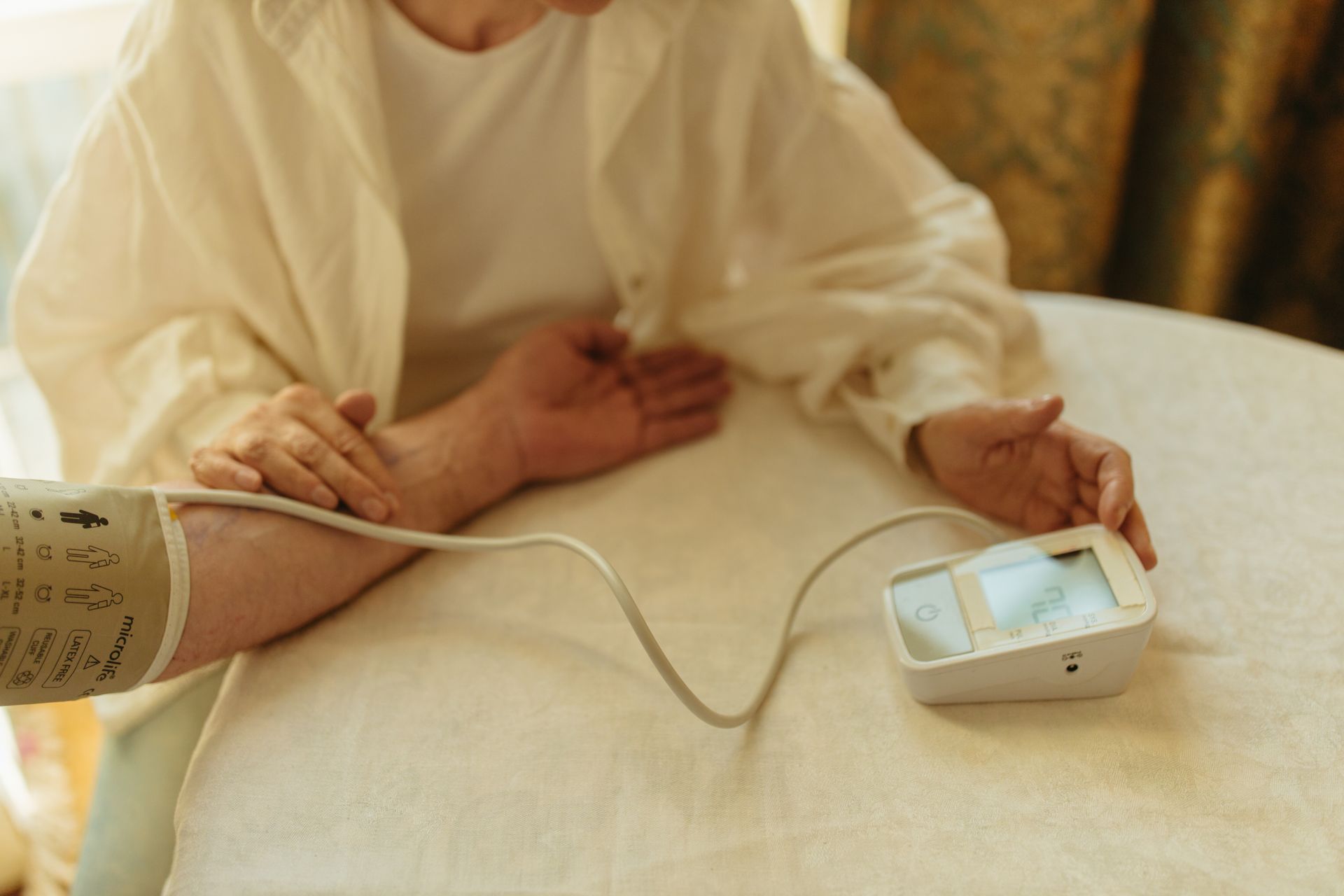
Eye test and high blood pressure is also a good moment to think about your lifestyle. Stop smoking if you smoke, because smoking damages the blood vessels in your eyes and increases your blood pressure. Reduce salt, eat more vegetables, and exercise regularly, even if it is only a walk a day. Keep your glasses prescription current, keep your windscreen clean for night driving, and have your eyes checked at least once a year by an ophthalmologist. These habits protect your eyesight and your licence, and they protect everyone you share the road with.
Frequently Asked Questions
Does high blood pressure affect my driving licence in Germany?
Eye test and high blood pressure is relevant because high blood pressure on its own does not stop you from driving, as long as it is well controlled and your eyes are not seriously damaged. You need a visual acuity of at least 0.7, and the licence office can ask for a medical report if there is a reason.
Do I need a special eye test because I have high blood pressure?
No. The driving licence eye test is the same for everyone, but as a driver with high blood pressure you should also have a full eye examination by an ophthalmologist at least once a year, because the standard test does not check your retina for hypertensive damage.
Can high blood pressure make me fail the eye test?
Yes, if it has damaged your retina and reduced your visual acuity below 0.7, or if it has narrowed your visual field. A new pair of glasses, better blood pressure control, and treatment for your eyes can improve the result, and you can repeat the test at any time.
How much does the eye test cost for a driver with high blood pressure?
The standard eye test costs between 6.43 and 15 euros at an optician. A full ophthalmological examination is usually covered by your statutory health insurance if there is a medical reason, and your GP can refer you for it.
What should I do if my vision suddenly changes?
See an ophthalmologist or your GP quickly, and do not drive until you have been checked, because a sudden change can be a sign of a stroke or a retinal blood vessel blockage. Tell the doctor about your blood pressure, and bring your medication list with you.
For the official legal text behind the rules in this article, see the German driving licence regulation (Fahrerlaubnis-Verordnung).
Eye test and high blood pressure is a subject that deserves your attention. Eye test and high blood pressure checks should be part of your yearly routine. Eye test and high blood pressure care protects your licence, your eyesight, and your safety.
Conclusion
Eye test and high blood pressure is a subject that deserves your attention, because your blood pressure affects your eyes, and your eyes affect your driving. High blood pressure can damage the blood vessels in your retina, reduce your visual acuity, narrow your visual field, and increase your risk of a stroke. But it can be treated, and it can be controlled, and a driver with well-controlled blood pressure can drive safely in Germany. Pass the eye test with a visual acuity of 0.7, visit your ophthalmologist once a year, check your blood pressure regularly, take your medication, and keep your glasses prescription current. If you fail the eye test, do not panic, find out why, treat the cause, and try again. Book your eye test and your eye examination, look after your blood pressure, and drive safely in Germany.