Eye Test and Diabetes: What Diabetic Drivers Need to Know

Introduction
Eye test and diabetes is a topic that every diabetic driver in Germany should understand, because diabetes affects the eyes in ways that a standard driving licence eye test can reveal and in ways that it cannot. Diabetes does not automatically stop you from driving, and most people with diabetes hold a driving licence and drive every day without any restriction. But diabetes can damage the small blood vessels in the retina, the light-sensitive layer at the back of the eye, and that damage, called diabetic retinopathy, can slowly reduce your visual acuity, narrow your visual field, and make night driving harder. This guide explains what an eye test and diabetes means for drivers, how the German eye test works, which rules apply to diabetic drivers, and how you can keep your licence and stay safe on the road.
Eye test and diabetes matters more in Germany than many expats expect, because diabetes is common and because the driving licence system expects drivers to look after their own fitness to drive. Around one in ten adults in Germany lives with diabetes, and many of them do not know that their eyes are already affected. Diabetic retinopathy often has no symptoms in the early stages. You can feel perfectly well, read an eye chart reasonably well, and still have changes in your retina that an ophthalmologist would spot at once. That is why the standard eye test at the optician is only the first step, and why regular eye examinations are so important for diabetic drivers, even when they have just passed the driving licence eye test.
In this article, you will learn how diabetes affects the eyes, what diabetic retinopathy is, how the German eye test works for diabetic drivers, what visual acuity you need for a car licence, when the driving licence office can ask for an ophthalmological report, and what the rules are for drivers who use insulin. You will also find practical advice on checking your blood sugar before driving, recognising a low blood sugar, and preparing for the eye test so that you pass the first time. By the end, you will know exactly what to discuss with your doctor and your optician, and you will be able to drive in Germany with confidence.
How Diabetes Affects Your Eyes
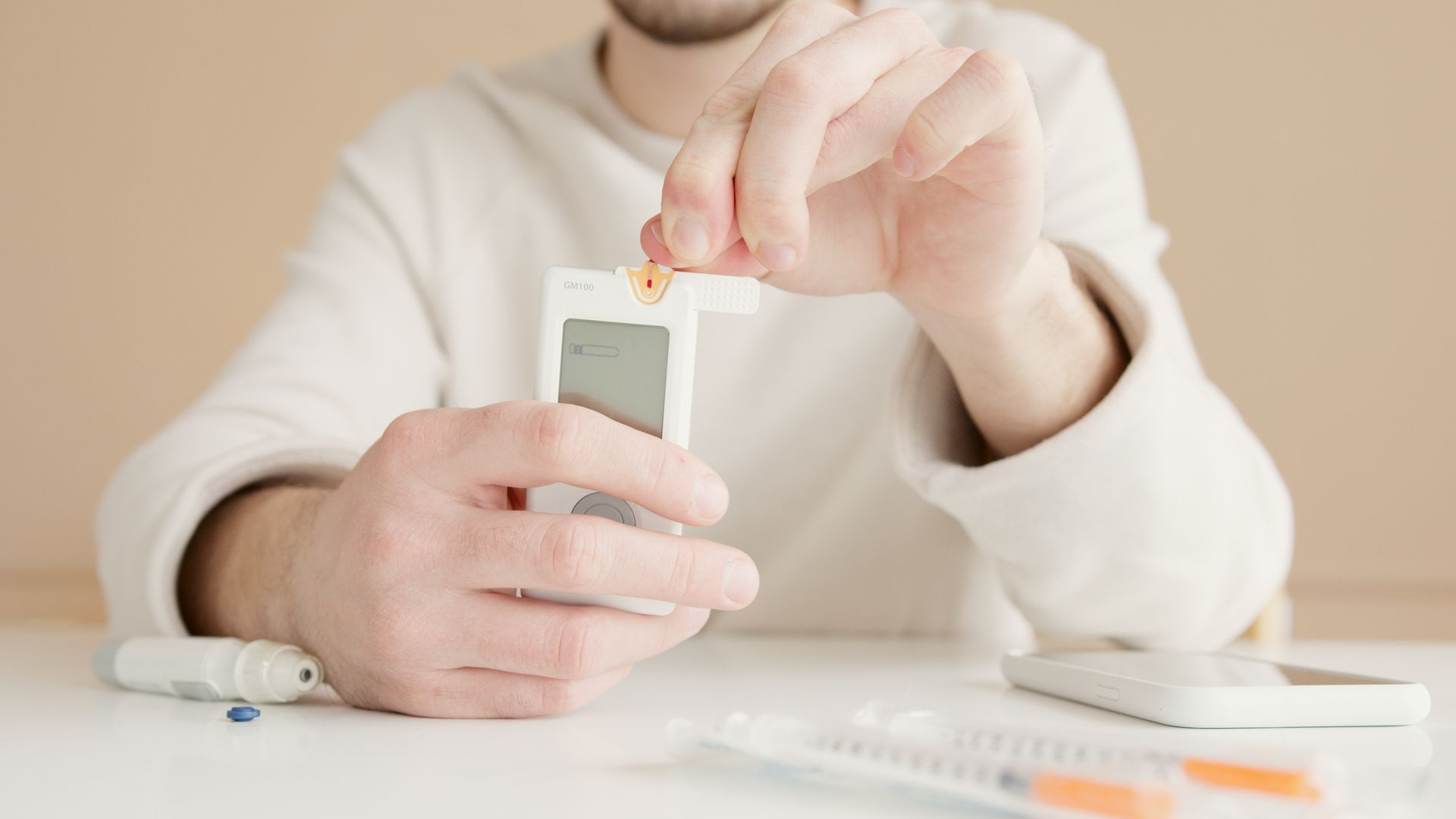
Diabetes affects the eyes because high blood sugar damages the small blood vessels throughout the body, and the retina is full of tiny blood vessels. Over time, these vessels can leak fluid, bleed, or close off, which starves parts of the retina of oxygen. The eye tries to repair the damage by growing new blood vessels, but these new vessels are fragile and can bleed into the eye. This process is diabetic retinopathy, and it is one of the leading causes of vision loss in working-age adults in Germany and across Europe. It usually affects both eyes, and it develops over years, which means that people with a long history of diabetes need the most careful eye checks.
Diabetes can cause other eye problems too. It increases the risk of cataracts, which cloud the lens and scatter light, and it increases the risk of glaucoma, which damages the optic nerve and narrows the visual field. It can also cause macular oedema, a swelling in the centre of the retina that blurs the sharp central vision you need to read road signs and number plates. And because blood sugar levels change, the shape of the lens can change too, which means that a diabetic driver may see clearly one day and blurrily the next. If your glasses prescription seems to change every few months, ask your doctor whether your blood sugar control could be the cause.
The good news is that diabetic retinopathy can be treated and, in many cases, slowed down or stopped, especially when it is found early. Laser treatment, injections into the eye, and good blood sugar and blood pressure control all help to protect your vision. The key word is early. If you wait until your vision is clearly worse, some of the damage may already be permanent. That is why health insurance in Germany pays for regular eye examinations for people with diabetes, and why your GP or diabetes specialist should send you to an ophthalmologist at least once a year, even if you have no eye symptoms at all.
Eye Test and Diabetes: How the German Eye Test Works
Eye test and diabetes begins, for most drivers, with the standard German driving licence eye test, the Sehtest. You go to an optician or an authorised doctor, bring your identity card or passport, and read letters or numbers from an eye chart, first with one eye covered and then with the other, and then with both eyes together. The test is done with your glasses or contact lenses if you use them, and the result is a visual acuity value, called Visus. For a car licence, class B, you need a visual acuity of at least 0.7 with both eyes together, with or without a visual aid. The fee for the standard test is set by law and is usually between 6.43 and 15 euros, and many large optician chains do the test free of charge.
The standard eye test does not check your retina, your blood sugar, or whether you have diabetic retinopathy. It checks only whether you can see well enough, at that moment, to drive safely. A diabetic driver can pass the standard test and still have early retinopathy, which is why the optician should ask about diabetes and recommend an ophthalmological examination if there is any doubt. Tell the optician that you have diabetes and whether you use insulin, tablets, or diet alone to control it. That information helps the optician to interpret your result, especially if your visual acuity varies between visits.
The Ophthalmological Examination
The ophthalmological examination is the next step for diabetic drivers. The ophthalmologist will dilate your pupils with eye drops, so that she can see the retina clearly, and then examine the back of the eye with a special lamp. She will look for small bleeds, leaking vessels, swelling, and new blood vessels. She may also take photographs of your retina, which makes it easy to compare your eyes from year to year and to spot small changes early. The examination also includes a check of your visual field, your eye pressure, and your lens, so that cataracts and glaucoma can be found early too.
Because the pupil drops widen your pupils, you should not drive yourself to the appointment or drive straight afterwards, because your vision will be blurred and sensitive to light for a few hours. Take a friend or use public transport. The examination is usually covered by your statutory health insurance if you have diabetes, and your doctor can refer you. If the ophthalmologist finds retinopathy, she will explain which stage it is, whether treatment is needed now, and how often you should come back. Mild retinopathy often needs only regular checks, while advanced retinopathy may need laser treatment or injections.
Visual Acuity, Visual Field and Contrast
For diabetic drivers, three parts of the eye test matter most. The first is visual acuity, the sharpness of your vision, which must be at least 0.7 with both eyes for a car licence. The second is the visual field, which is how much you can see to the sides without moving your eyes. Diabetic retinopathy and glaucoma can both narrow the visual field, and a narrowed field is a safety risk, because hazards often come from the side. The third is contrast sensitivity, which is how well you can tell a grey object from a grey background. Diabetic drivers often lose contrast sensitivity before they lose visual acuity, which means they can read an eye chart in a bright room and still struggle on a grey, rainy road.
An ophthalmologist can test all three in detail, and the results go into a report that the driving licence office can use. The report, called an augenaerztliches Gutachten, states whether you are fit to drive and whether any restrictions are needed. A common restriction is a requirement to wear glasses while driving. A less common restriction is a limit on driving at night or a requirement to have your eyes checked again after a set period. These restrictions are not punishments. They are a fair way to keep you driving safely while your eyes are being treated.
The Legal Rules for Diabetic Drivers in Germany
The legal rules for diabetic drivers in Germany are set out in the driving licence regulation, the Fahrerlaubnis-Verordnung, and in the medical annex that lists which health conditions affect fitness to drive. Diabetes on its own is not a reason to refuse a driving licence. The rule for a car licence is that a person with diabetes can drive if the diabetes is well controlled, if there is no severe eye damage, and if the driver can recognise and treat a low blood sugar in time. For lorry and bus licences, the rules are stricter, because the responsibility is greater and the working hours are longer. A lorry driver who uses insulin usually needs a detailed medical report and regular checks.
Drivers who use insulin need to take extra care. Insulin can cause a low blood sugar, called a hypoglycaemia, and a low blood sugar can cause confusion, shaking, sweating, blurred vision, and even unconsciousness. That is obviously dangerous behind the wheel. In Germany, a driver who uses insulin must check the blood sugar before driving, must not drive if the value is too low, and must carry fast-acting sugar, such as glucose tablets, in the car. If a driver has had two severe hypoglycaemic episodes in the last year, or if she cannot feel a low blood sugar coming on, the driving licence office can suspend the licence until the situation is under control. This rule protects the driver and everyone else on the road.
Drivers with type 2 diabetes who control it with tablets or diet usually have fewer problems, but they still need regular eye checks and should tell the truth about their diabetes on the licence application. You are not asked about diabetes on the standard eye test certificate, but the driving licence office can ask for a medical report if you are involved in an accident or if a doctor reports a concern. Being honest is always the safer choice. If you hide your diabetes and later have an accident because of a low blood sugar or poor vision, your insurance and your licence could be at risk.
It is also important to know that there is no routine re-test for car drivers in Germany, even for diabetic drivers. Once you hold a licence, you keep it unless the licence office has a reason to act. That means the responsibility for regular eye checks lies with you. Set a reminder to visit the ophthalmologist once a year, keep your glasses prescription current, and talk to your diabetes specialist team about your driving. The eye test for a driving licence on this site explains the standard test in detail, and the eye test at the ophthalmologist page explains what happens at the next stage, including the report that the licence office may ask for.
What Happens If You Fail the Eye Test
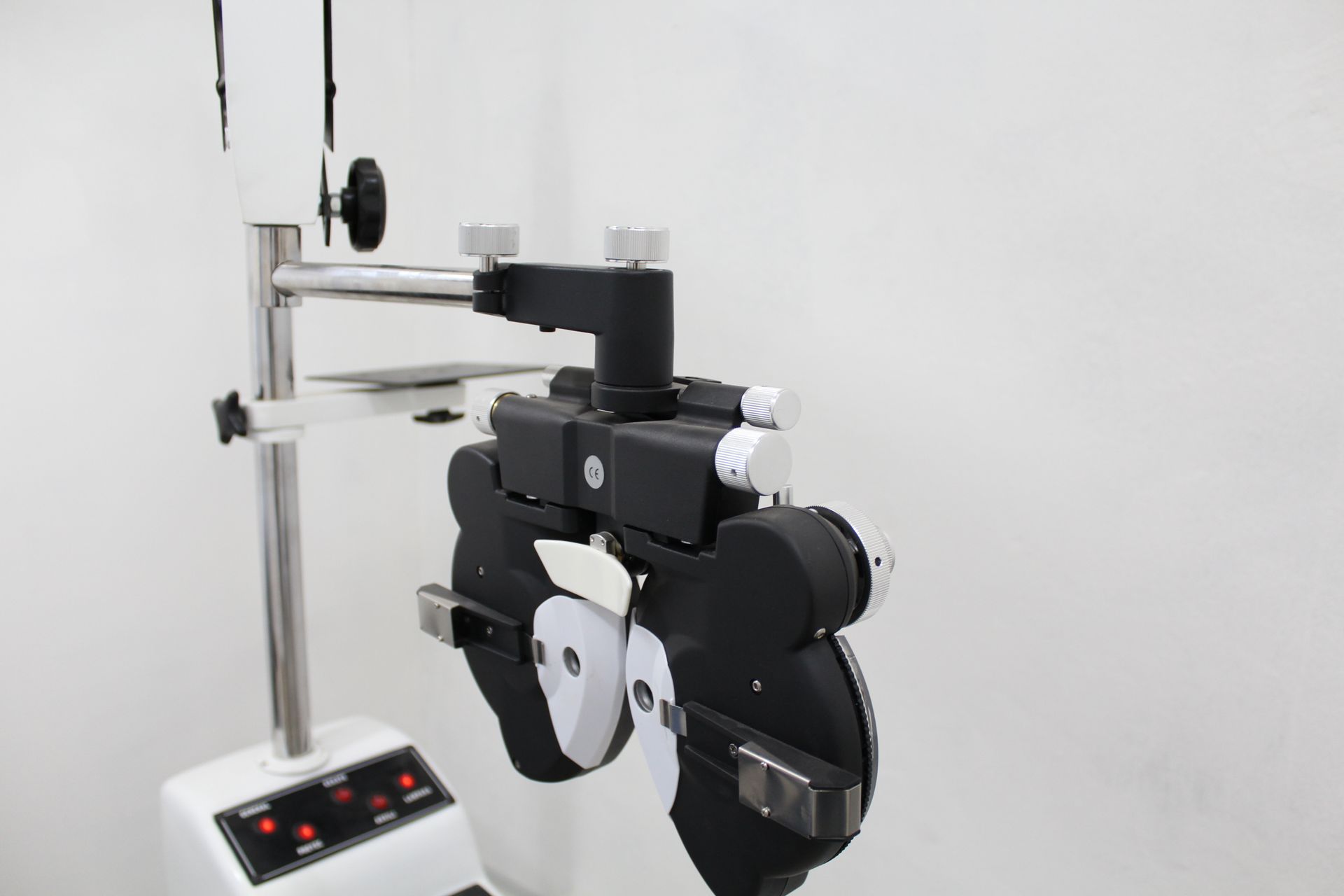
Failing the eye test is not the same as losing your licence, but it does mean that you cannot yet apply for a new licence, and it can be a warning sign that your diabetes needs more attention. The optician will tell you your visual acuity and whether the problem is likely to be a simple glasses issue or something that needs an ophthalmologist. If the problem is a wrong prescription, a new pair of glasses can often raise your visual acuity above 0.7 quickly. If the problem is a swollen retina, a cataract, or a narrowed visual field, you will need treatment before you can pass. Do not simply repeat the test at another optician in the hope of a different result, because the same eyes will give the same result.
The best next step after a failed test is to book an appointment with your ophthalmologist and with your diabetes doctor, and to ask both of them to write down what they find. The ophthalmologist will check your retina and explain whether treatment can improve your vision. Your diabetes doctor will check your blood sugar control and your blood pressure, because both affect your eyes. Bring both reports to the driving licence office if they ask for them. In many cases, the result is a restricted licence, for example a licence that requires you to wear glasses or to have your eyes checked again in one year. That is a good outcome, because it keeps you driving legally and safely while your treatment continues.
You can repeat the eye test at any time, and there is no compulsory waiting period in the eye test rules themselves. But it is sensible to wait until you have a clear reason to expect a better result. If you have just had a new prescription, wait a few days while your eyes adjust to it. If you have just had eye treatment, follow the ophthalmologist’s advice about when to re-test. If your blood sugar has been high for weeks, work on bringing it down first, because the lens of your eye will keep changing shape until your blood sugar is stable again. A failed test is information, not a verdict, and the right response is to use it.
How to Prepare for the Eye Test as a Diabetic Driver
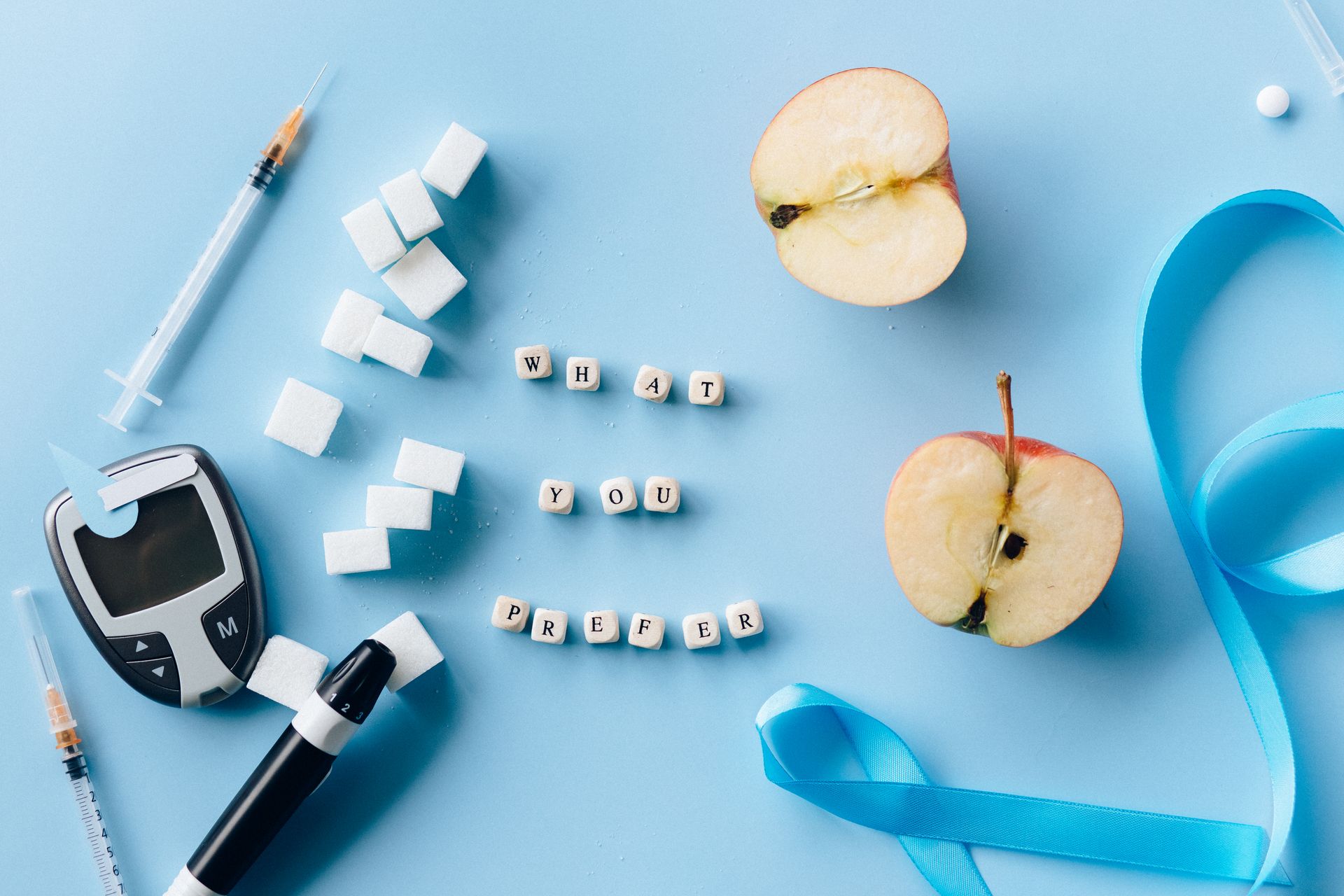
Preparation starts before the test day. Book the test for a time when your blood sugar is usually stable, and check your blood sugar before you go. If your value is very high or very low, postpone the test, because the result will not reflect your normal vision. Eat normally and take your medication as usual. Bring your glasses and your contact lenses, and bring your current prescription, so that the optician knows exactly what you use. If you have a report from your ophthalmologist, take it with you, and tell the optician that you have diabetes and whether you use insulin.
On the test day, get a good night’s sleep and avoid long hours at a screen if you can. Bring glucose tablets with you, just as you do when you drive, and tell the optician if you feel shaky, sweaty, or confused during the test. Those can be signs of a low blood sugar, and the test result would be meaningless if you were having a hypo. Do not drive to the test if you feel unwell. It is far better to cancel the appointment and re-book than to risk a drive with blurred vision and a low blood sugar.
After the test, whatever the result, book your next ophthalmological examination before you leave the optician, and set a reminder for it. Keep a simple record of your eye check dates, your visual acuity results, and your HbA1c value, which is the long-term measure of your blood sugar. Over time, that record will show whether your eyes are stable or getting worse, and it will help your doctor to treat you. And remember the basics of safe driving with diabetes: check your blood sugar before every journey, never drive when it is low, carry glucose in the car, and stop and rest if you feel unwell. These habits protect you, your passengers, and everyone you share the road with.
For the official legal text behind the rules in this article, see the German driving licence regulation (Fahrerlaubnis-Verordnung).
Eye test and diabetes go together for drivers in Germany. Eye test and diabetes checks should be part of your yearly routine. Eye test and diabetes care protects both your licence and your eyesight.
Frequently Asked Questions
Can I get a driving licence in Germany if I have diabetes?
Yes. Diabetes on its own does not stop you from getting a driving licence. You need to pass the standard eye test, with a visual acuity of at least 0.7, and your diabetes must be well controlled. The licence office can ask for an ophthalmological report if your eyes are affected.
Do I need a special eye test because I am diabetic?
No, the driving licence eye test is the same for everyone. But as a diabetic driver you should also have a full eye examination by an ophthalmologist at least once a year, because the standard test does not check your retina for diabetic retinopathy.
Can insulin stop me from driving in Germany?
Insulin does not stop you from driving, but you must check your blood sugar before driving, carry glucose in the car, and not drive when your blood sugar is low. If you have had two severe low blood sugar episodes in a year, or you cannot feel them coming, the licence office can suspend your licence until the problem is under control.
How much does the eye test cost for a diabetic driver?
The standard eye test costs between 6.43 and 15 euros at an optician. A full ophthalmological examination for diabetic retinopathy is usually covered by your statutory health insurance, because it is a regular diabetes check. Ask your doctor for a referral.
Will my eyes get worse if I keep driving?
Driving does not damage your eyes. What damages your eyes is uncontrolled diabetes, high blood pressure, and smoking. Keep your blood sugar and blood pressure as close to your target as you can, attend your eye checks, and do not smoke. If your vision changes, see an ophthalmologist quickly.
Conclusion
Eye test and diabetes is a subject that deserves your attention, because your eyes are your most important tool as a driver and diabetes is their most important risk. The German system is fair: a diabetic driver who passes the eye test, who has regular eye examinations, and who controls blood sugar can drive with the same freedom as any other driver. But that freedom comes with responsibility. Check your blood sugar before you drive, carry glucose in your car, visit your ophthalmologist once a year, and keep your glasses prescription up to date. If you fail the eye test, do not panic. Find out why, treat the cause, and try again. Your eyes deserve that care, and so does everyone who shares the road with you. Book your eye test and your eye examination, and drive safely in Germany.