New Contact Lenses: Getting Used to Them Before the Eye Test

New contact lenses: getting used to them before the eye test. If you have just been fitted with contact lenses, and your driving licence eye test is coming up, you are probably wondering how long it takes to get used to them, whether you should take the test with the new lenses, and what to do if they feel uncomfortable on the day. The short answer is that you should wear new contact lenses for several days before the eye test, so that your eyes have had time to adjust, and so that your vision is stable, and you should bring your glasses with you as a backup, in case the lenses are not comfortable on the day. This guide explains how to get used to new contact lenses, how long the adjustment takes, and what to do if the lenses do not feel right on test day.
Getting used to contact lenses is a process, and it is one that takes a little time, especially if you have never worn them before. The lens sits directly on your eye, and your eye needs to get used to the feeling of it, to the fact that it moves slightly when you blink, and to the way it corrects your vision differently from glasses. For most people, the first day is the hardest, and the lenses feel strange, and the vision may be slightly blurry, and the eyes may water or feel dry. By the second or third day, it is usually much better, and by the end of the first week, most people have forgotten that they are wearing lenses at all. That is the normal pattern, and it is worth knowing, because it means that you should not take the eye test on the first day you wear the lenses.
There is another reason to wear new lenses for a few days before the test, and it is that your vision needs to be stable when the optician measures it. If you take the test on the first day, your vision may be slightly worse than it will be after a few days, because your eyes are still adapting, and because the lens is still settling, and that can make the difference between a pass and a fail if you are close to the limit. That is not a big risk, but it is a real one, and it is one that is easily avoided, by wearing the lenses for a few days, and by taking the test when you are comfortable in them, and when your vision has settled. This article tells you how long to allow, what to expect, and how to prepare.
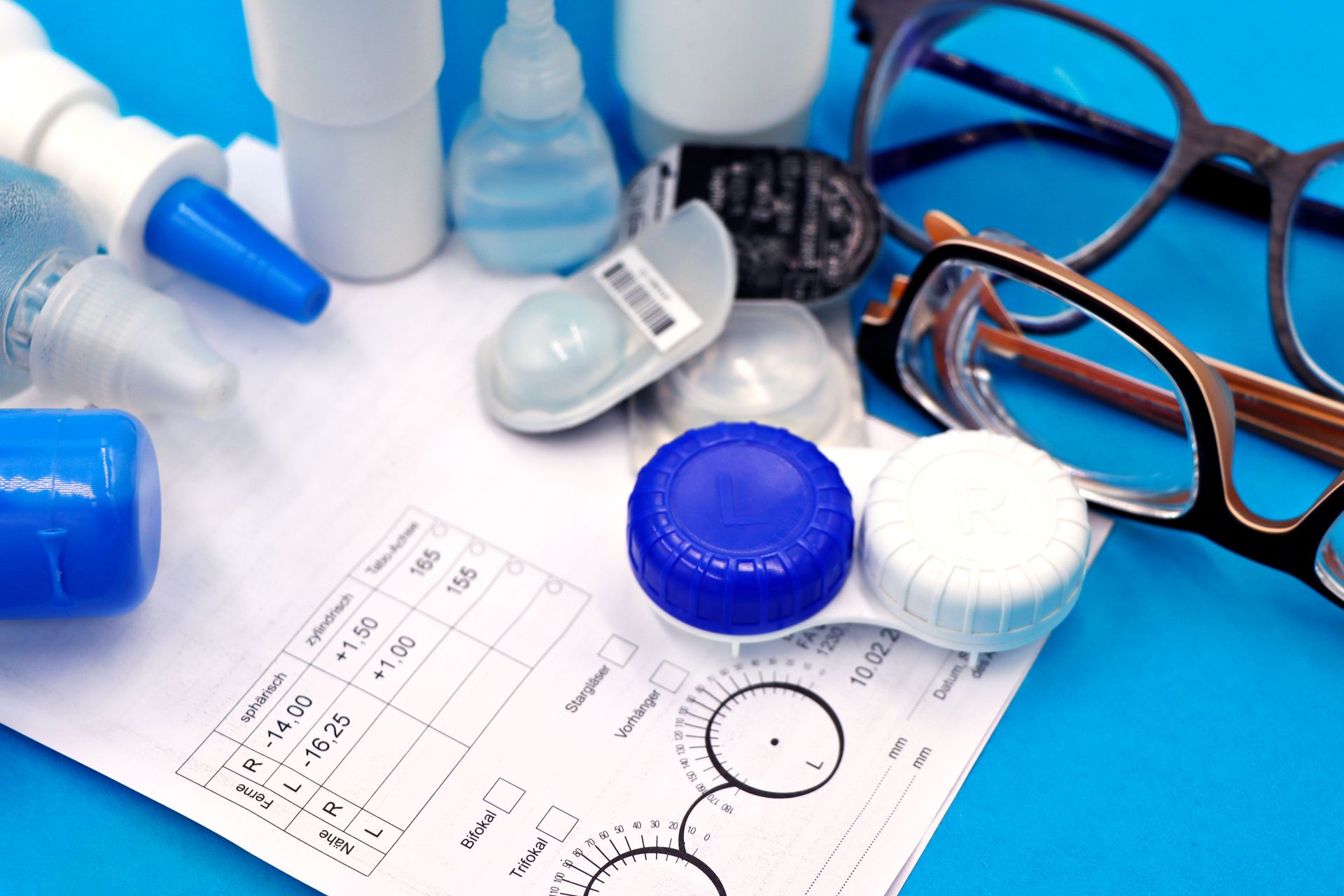
How long does it take to get used to new lenses?
For most people, it takes about a week to get fully used to new contact lenses, although the worst of the adjustment is over within the first two or three days. That is the rule of thumb that opticians give, and it is based on experience: the first day is strange, the second day is better, the third day is much better, and by the end of the week, you have forgotten that the lenses are there. If you are switching from glasses to contact lenses for the first time, it can take a little longer, because you are also getting used to the wider field of vision that lenses give you, and to the fact that there is no frame in the way. If you are switching from one type of lens to another, such as from monthly lenses to daily lenses, or from soft lenses to a different brand, it can be quicker, often just a day or two, because your eyes are already used to having a lens on them.
There are a few things that can make the adjustment slower, and it is worth knowing about them, so that you can avoid them. If the lenses are the wrong fit, or if the prescription is not quite right, they will feel uncomfortable for longer, and your vision will not be sharp, and you should tell your optician, because they can check the fit, and they can change the lenses. If your eyes are dry, the lenses will feel dry, and you may need artificial tears, or a different type of lens, and your optician can advise you. And if you wear the lenses for too long on the first days, your eyes can become irritated, and you will need to take them out, and to wear your glasses instead, which will slow the adjustment. The optician will give you a wearing schedule, usually a few hours on the first day, and then a little longer each day, and it is worth following it, because it is designed to get you used to the lenses as quickly and as safely as possible.
The best time to take the eye test is after you have worn the lenses for at least a week, and after you have worn them for a full day, without discomfort, and with clear vision. That is the point at which your vision is stable, and your eyes are used to the lenses, and the test will give a fair result. If your eye test is booked for sooner than that, you have two options: you can move the appointment, so that you have a week to adjust, or you can take the test with your glasses instead, if you have a pair, and take the test with the lenses later, if the licensing office needs a certificate with the lenses. Talk to your optician about the best option for you, and follow their advice, because they know your eyes, and they know the test. For more on the eye test with contact lenses, read our guide to contact lenses versus glasses in the eye test.
The first few days: what to expect
In the first few days, there are some things that are normal, and some things that are not, and it is worth knowing the difference, so that you know when to worry and when to wait. It is normal for the lenses to feel strange, for your eyes to water a little, for your vision to be slightly blurry at first, and for the lenses to feel dry at the end of the day. Those are all normal signs of adjustment, and they usually improve day by day, as your eyes get used to the lenses. It is also normal to need a few minutes to put the lenses in, and to need a few attempts, and to find that the lens sticks to your finger, or that it folds, or that it will not stay in your eye, because putting a lens in is a skill, and it takes practice, and most people get better at it very quickly.
It is not normal for the lens to hurt, for your eye to be red and painful, for your vision to be very blurry, or for the lens to be stuck to your eye, and if any of those things happen, take the lens out, wear your glasses instead, and call your optician, because there may be a problem with the fit, or with the lens, or with your eye. Do not try to push through pain, and do not try to wear the lens if it hurts, because you could damage your eye, and because a damaged eye will not help you to pass the eye test. Your optician will tell you what to do, and they may need to check your eyes, and to change the lens, and that is a normal part of the fitting process, so do not be embarrassed about it.
There are a few practical things you can do in the first days to make the adjustment easier. Wash your hands before you touch the lenses, and dry them, because soap and water can irritate your eyes, and because a wet finger will make the lens stick. Use the solution that your optician gave you, and do not use water, or saliva, or any other liquid, because those can damage the lens, and because they can cause an infection. And do not sleep in your lenses, unless your optician has told you that you can, because sleeping in lenses can cause a serious eye infection, and because it is not worth the risk. Those are basic hygiene rules, and they are the same for new wearers and for experienced wearers, and they are worth following from the first day.
The week before the eye test
In the week before the eye test, wear your new contact lenses every day, for the full day, so that your eyes are used to them, and so that your vision is stable. Follow the wearing schedule that your optician gave you, and do not skip days, because a day without the lenses can set the adjustment back, and because a lens that is not worn regularly will feel strange when you put it in again. If you are wearing daily lenses, put in a fresh pair each morning, and throw the old pair away, and if you are wearing monthly lenses, use the solution to clean and store them each night, so that they are clean and comfortable in the morning. That routine is the same every day, and it is worth building it into your morning, in the same way as brushing your teeth, so that it becomes automatic.
It is also a good idea to do a practice run. A few days before the test, put your lenses in, and read an eye chart, or use an app, or read the number plates of cars in the street, to see whether your distance vision is sharp, and whether you can read clearly at all distances. If the vision is sharp, and you feel comfortable, you are ready for the test. If the vision is blurry, or if the lenses feel dry, or if one eye is clearer than the other, call your optician, because they may need to adjust the prescription, or to try a different lens, and it is better to find that out a few days before the test than on the day itself. For a free practice tool, try our eye test simulator.
Finally, prepare for the test day itself. Put your lenses in early in the morning, so that they have time to settle, and so that your eyes have time to adjust, rather than putting them in at the last minute, in the optician’s waiting room, when they may not have settled. Bring your lens solution, and a spare pair of lenses, and your glasses, so that you have a backup if something goes wrong, and so that you can take the test with glasses if the lenses are not comfortable. And avoid screens for a while before the test, so that your eyes are not tired, and so that your vision is as sharp as it can be. Those are small preparations, and they make the test easier.
If the lenses do not feel right on test day
Even if you have worn the lenses for a week, they may not feel right on the day of the eye test, and it is worth knowing what to do if that happens. If one lens feels dry, or if your eye is irritated, take the lens out, put in a spare pair if you have one, or wear your glasses instead, and take the test with the glasses. The result will usually be very similar to the result you would have got with the lenses, because your glasses have the same prescription, and the certificate will be valid in the same way, so there is no reason to take the test with a lens that is not comfortable. Tell the optician what has happened, so that they understand, and so that they can record the result correctly.
If you arrive at the optician, and you cannot put the lenses in at all, or if they feel so uncomfortable that you cannot see clearly, do not try to force them, and do not try to take the test without any correction, because you will probably fail, and because the result will not be a fair measurement of your vision. Ask the optician to rebook the test for another day, when your lenses are comfortable, or when you have had a chance to see your optician about the fitting. That is a better outcome than a failed test, and the optician will understand, because new lenses can be unpredictable, and because they would rather you came back with comfortable lenses than take a test that you are likely to fail. For what to do when there is a problem, read our article on what to do if you forgot your contact lenses before the eye test.
Finally, remember that getting used to new contact lenses is a process, and that a setback on the day of the test does not mean that you will never be able to wear lenses. It means that your eyes need a little more time, or a slightly different lens, or a different wearing schedule, and your optician will work with you to find the right combination. Be patient, follow their advice, and do not give up on lenses because of one bad day. Most people who stick with it get used to them within a week or two, and they never look back.
Frequently Asked Questions
How long does it take to get used to new contact lenses?
Usually about a week, although the worst of the adjustment is over in two or three days. Follow the wearing schedule your optician gives you, and build up the wearing time gradually.
Should I take the eye test on the first day I wear new lenses?
No. Wait until you have worn the lenses for at least a week, and until your vision is stable, so that the test gives a fair result. If the test is booked sooner, take it with glasses, or move the appointment.
What if the lenses feel uncomfortable on test day?
Take them out, put in a spare pair if you have one, or wear your glasses instead. The result with glasses is usually very similar, and the certificate is valid in the same way. Do not take the test without any correction.
Do I need to bring my glasses to the eye test?
Yes. Bring your glasses, a spare pair of lenses, and your lens solution, so that you have a backup if the lenses are not comfortable on the day.
Will new lenses change my visual acuity result?
Your vision with new lenses should be the same as with glasses, once you are used to them. If it is worse with the lenses than with your glasses, tell your optician, because the fit or the prescription may need adjusting.
Conclusion
Getting used to new contact lenses takes about a week, and the best thing you can do is to give it that week before you take your driving licence eye test. Wear the lenses every day, follow the wearing schedule, build up the time gradually, and let your eyes adjust, so that your vision is stable when the optician measures it. Bring your glasses as a backup, put your lenses in early on test day, and be prepared to switch to glasses, or to rebook, if the lenses do not feel right.
New lenses are a big change, and it is normal for them to feel strange at first, but most people get used to them within a week or two, and they never look back. With a little patience, and a little preparation, your eye test will be a formality, and you will have a certificate that reflects your real, corrected vision, which is the best foundation for safe driving.