Small Optician vs Big Chains: Where to Take Your Eye Test

When you need an eye test for your driving licence, the first choice is where to take it. In almost every German town you have two options: a small independent optician, often run by the same family for years, or a large chain such as Fielmann or Apollo, with hundreds of branches. Both are officially recognised eye test centres, and both issue exactly the same certificate. So does it matter where you go?
This guide compares the small optician with the big chains on the things that matter for the eye test: price, waiting time, service, equipment, how the test is run, and the certificate you get at the end. If you are wondering where to take your eye test, this comparison will help you decide.
Small Optician vs Big Chains: The Basic Difference
The basic difference is size, and size changes how the shop works. A small optician is usually a single shop with one or two test rooms, a small team, and a owner who is often the person who tests your eyes. A big chain has many branches, a central system, online booking, and a larger team that shares the work. Both employ trained opticians who are allowed to carry out the driving licence eye test, and both use the same standard charts and the same certificate form.
What changes is the experience around the test. At a small optician, the same person often greets you, tests your eyes and sells you glasses, so the advice feels personal. At a large chain, the process is more standardised, the staff change more often, and the shop is designed to handle many customers at once. Neither way is better in itself. It depends on what you value, and on how busy your town is.
One thing does not change: the certificate. The Sehtestbescheinigung is a standard form, and the licensing authority accepts it from any officially recognised test centre, whether it is a one-person shop in a village or a chain store in a city centre. The authority does not ask where the test was done. It asks whether the test was done correctly.
Price: What You Pay at Each
The eye test fee is fixed by law at 6.43 euros for the standard test, so in theory the price is the same everywhere. In practice, the large chains often waive the fee and offer the test for free. They can afford to do this because they test thousands of people, and a good share of those people buy glasses from them. The free test is a genuine test, and it produces the same certificate as a paid test, as explained in our guide to the eye test fee.
A small optician usually charges the official fee of 6.43 euros. Some small shops also offer the test free of charge as a service, especially for regular customers, but they cannot always afford to test everyone for free. Paying 6.43 euros is not a waste of money. It buys you a test at a shop that has chosen to give you the time and attention of a small business, and it helps that business to stay open.
Think about the total cost, not just the test. If you need glasses after the test, the price of the glasses matters more than the price of the test, and the two kinds of shops often differ there. A chain can offer a wide range of frames at low prices, while a small optician may charge more but spend more time fitting the frames to your face. Ask about glasses prices before you decide, and do not choose by the test price alone.
Waiting Times and Appointments
Waiting time is where the chains often win. A large chain usually offers online booking with many free slots, including evenings and Saturdays, and you can often get an appointment on the same day. Walk in is also possible in many branches, although you may wait if the shop is busy. The online booking system shows you exactly what is free, and you can move the appointment in a few clicks if your plans change.
A small optician may offer fewer slots, and you may need to call to book, especially in a village where the shop is only open on certain days. On the other hand, the waiting time on the day is usually short, because the shop sees fewer people at once. You are not one of ten people waiting at the same time. If you book a slot, the tester is usually ready for you when you arrive.
Our guide to booking an eye test at the optician explains the usual booking steps for both kinds of shop, and our guide to free eye tests at Fielmann and Apollo covers what the chains offer in more detail. Whichever you choose, book ahead if you can, and arrive a few minutes early.
Service and Advice
The best reason to choose a small optician is the personal advice. A small shop often knows its customers by name, and the optician will remember your prescription, your habits and your preferences. If you are choosing glasses for the first time, they will take the time to explain the options, try different frames with you, and check how the frames sit on your face. They may also notice changes in your eyes over time, because they see the same people year after year.
A large chain offers good service too, but it is a different kind of service. The staff are trained, the process is well organised, and you can expect the same experience in every branch. If you move to a new town, the chain can look up your prescription from the central system. The advice may be quicker and more standard, and the person who tests you may not be the person who sells you glasses, but the result is still professional.
One practical tip: if you have a complicated prescription, an eye condition, or a strong difference between your eyes, a small optician may be the better choice, because they have more time to work with you. If your prescription is simple and you know what you want, a chain can be faster and cheaper.
Equipment and the Test Itself
The equipment used for the driving licence eye test is very similar in both kinds of shop. The charts, the trial frames and the colour vision screening are standard, and the law requires the same test to be carried out in the same way. A chain may have newer digital charts on a screen, while a small optician may use printed charts, but the numbers they measure are the same.
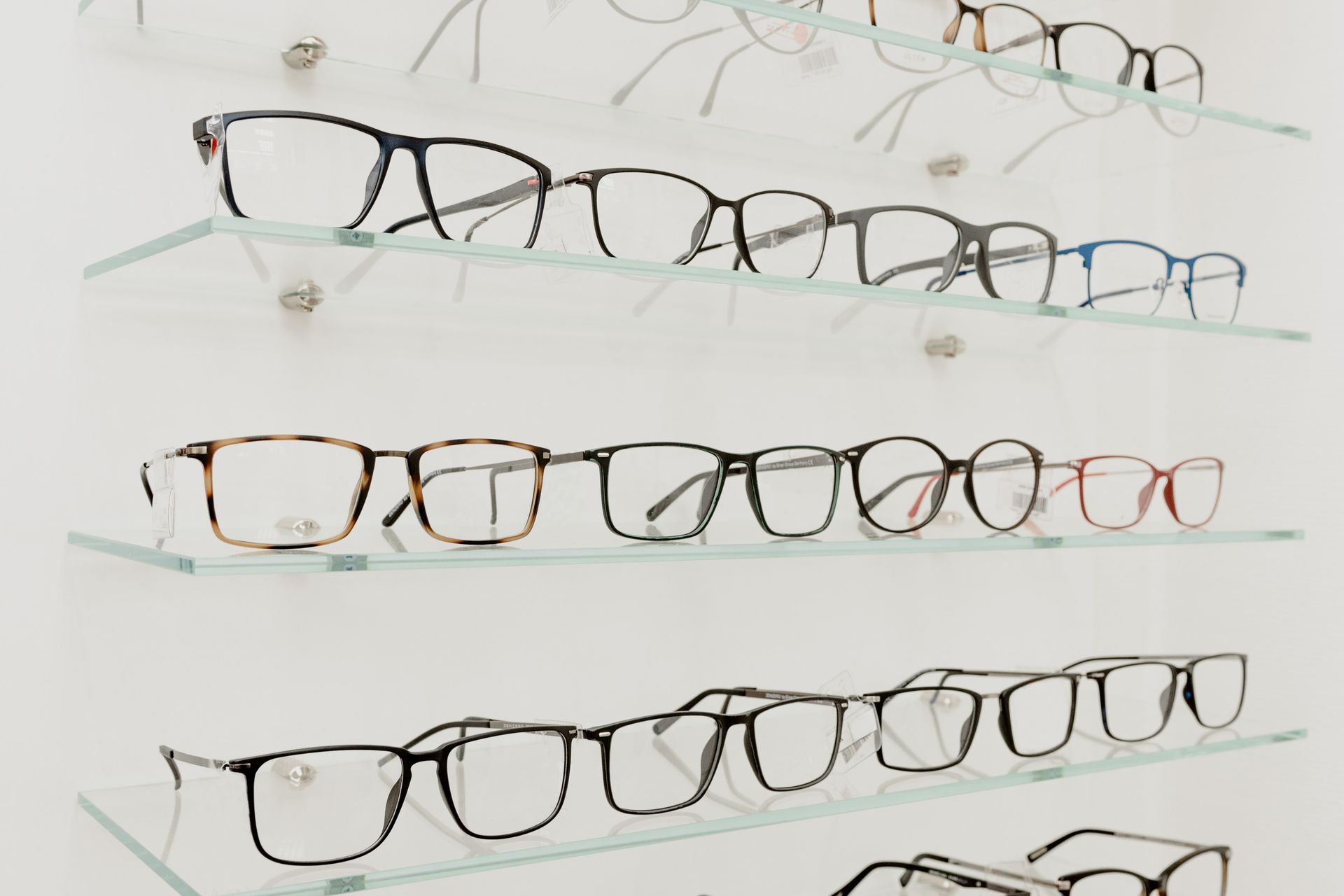
Where equipment does differ is in the extra services. A large chain may have a wider range of testing machines, including a machine that photographs the back of your eye, while a small optician may have fewer machines but use them with more time and care. For the driving licence test itself, none of that matters. The test is a short, standard check, and the certificate does not depend on the machine used.
If a shop offers you extra tests as part of the visit, such as a pressure measurement or a retina photo, ask what they cost and whether you need them. They can be useful, especially for older drivers, but they are not part of the driving licence test, and you can say no.
The Certificate: Is It the Same?
Yes, the certificate is the same. Whether you go to a small optician or a big chain, you receive the Sehtestbescheinigung, a standard form with your name, the date of the test, your visual acuity, and the result of the colour vision and visual field checks. The form is valid for two years, and every licensing authority in Germany accepts it. The authority does not care whether the shop was small or large.
The only thing that matters is that the tester is officially recognised. Both a small optician and a large chain are recognised, and both must follow the same rules. If you are ever unsure, look for the sign in the shop window that shows it is an officially recognised eye test centre, or ask the tester directly.
Keep the certificate safe, and take a photo of it as a backup. If you lose it, the shop can usually issue a duplicate, but that may be charged separately. A photo will not replace the original, but it will help the shop to find your record quickly.
Which One Should You Choose?
Choose the option that fits your life. If you want a free test, online booking, evening and Saturday slots, and a wide choice of frames at low prices, a large chain is a good choice. If you want personal advice, the same person every time you visit, and a local business that knows you, a small optician is a good choice. There is no wrong answer, and you can use a different shop next time if you change your mind.
One practical approach is to take the eye test where it is most convenient, and buy glasses where you get the best advice and fit. The two decisions do not have to be at the same shop. Many people take the test at a chain because it is free, and then buy glasses at a small optician because they like the service. That is perfectly fine.
Whichever you choose, arrive rested, bring your glasses if you have them, and tell the tester how you feel on the day. The shop you choose matters far less than the quality of your preparation. If you want more practical tips, our guide to 10 tips to pass the driving licence eye test covers sleep, glasses, food and timing in detail.
Trying Frames and Getting Them Fitted
The biggest practical difference between a small optician and a big chain shows up when you try frames. A small optician will usually take more time: they will ask about your face shape, your habits and your budget, and they will try several frames with you, checking how each one sits on your nose and ears. A chain has a wider range on display, so you may find a frame you like more quickly, but you may spend less time with the person helping you.
The fitting matters more than the frame. A frame that slips down your nose changes the position of the lenses, and that can make even the right prescription feel wrong. A good fitting takes a few minutes: the optician bends the arms, adjusts the nose pads, and checks that the frame is level when you look straight ahead. A small shop will usually do this for free, and a chain will too, but the small shop is more likely to remember your face and your frame at your next visit.
Ask about the follow-up service before you buy. Glasses need adjusting after a few weeks of wear, and the arms can loosen. A small optician will usually adjust them free of charge for as long as you own them, and a chain offers a similar service, but you may see a different person each time. If you buy glasses from a chain, keep the receipt and the guarantee, so that you can go back for an adjustment without paying again.
Take your time deciding. Try the frames in front of a mirror, look at yourself from the side, and check how the frames feel after a few minutes. The first frame that looks good in the mirror is not always the one that feels good after half an hour. A patient optician will let you sit with a frame and come back to it later, and that patience is worth more than a quick discount.
Conclusion
Small opticians and big chains both carry out the same driving licence eye test and issue the same certificate. The chains often offer the test for free, with online booking and evening slots, while small opticians usually charge the official fee of 6.43 euros and offer more personal advice and time. The equipment and the test are the same, so the choice comes down to convenience, price and the kind of service you prefer. Pick the shop that fits your life, and arrive rested and prepared.
Frequently Asked Questions
Is the eye test certificate the same from a small optician and a big chain?
Yes. Both issue the same Sehtestbescheinigung, which is valid for two years and accepted by every licensing authority in Germany. The authority does not ask where the test was done.
Is the eye test really free at Fielmann and Apollo?
Yes, both chains often offer the driving licence eye test free of charge as a service. The test and the certificate are the same as a paid test. A small optician usually charges the official fee of 6.43 euros.
Do small opticians have the same equipment as big chains?
For the driving licence test, yes. The charts and the colour vision screening are standard. A chain may have more machines for extra services, but the test itself is the same.
Which is better for someone who needs glasses for the first time?
A small optician is often better, because they have more time to explain the options, try different frames and check the fit. A chain is a good choice if your prescription is simple and you want a low price and a wide choice of frames.
Can I take the eye test at one shop and buy glasses at another?
Yes. The certificate is yours to take to your driving school, and you can buy glasses wherever you like. Many people take the free test at a chain and buy glasses at an independent optician, or the other way round.
Do I need to book an appointment, or can I just walk in?
Both are possible. A large chain often offers online booking and same-day slots, and walk in is usually possible too. A small optician may need a phone booking, especially in a village, but the waiting time on the day is usually short.