Eye Test for Indian and Pakistani Driving Licence Holders in Germany

Introduction
Eye test for Indian and Pakistani driving licence holders in Germany is a question that many people from India and Pakistan ask when they move to Germany for work or study. A driving licence is essential for many jobs, for a family, and for everyday life, and a licence from India or Pakistan cannot be used in Germany for ever. You will need to exchange it for a German licence, and the eye test for Indian and Pakistani driving licence holders is one of the documents that you need for that exchange. This guide explains how the exchange works, what the eye test involves, and how to get a German licence as quickly as possible.
Eye test for Indian and Pakistani driving licence holders in Germany starts with the rule that a licence from India or Pakistan is valid for six months after you register your address in Germany. During those six months, you can drive with your Indian or Pakistani licence, and you do not need a German eye test. After six months, the licence is no longer valid in Germany, and you must hold a German licence to drive. The exchange, called Umschreibung, is the process that turns your Indian or Pakistani licence into a German one, and the eye test is one of the first steps in it.
In this article, you will learn whether an Indian or Pakistani licence can be exchanged in Germany, whether you need to take a theory and practical test, what the eye test for Indian and Pakistani driving licence holders involves, how much it costs, and which documents you need. You will also find advice on driving schools, on translations, and on the differences between Indian and Pakistani licences. By the end, you will know how to plan the exchange and how to get your German licence without a long delay.

Can an Indian or Pakistani Licence Be Exchanged in Germany?
Eye test for Indian and Pakistani driving licence holders is part of the exchange process, and the first question is whether the exchange is possible. India and Pakistan are not members of the European Union, and a licence from either country is not recognised in the same way as an EU licence. The German driving licence regulation has a list of countries, in Annex 11, whose licences can be exchanged without a theory and practical test. India and Pakistan are not on that full list, which means that a licence holder from India or Pakistan usually has to pass a theory test and a practical driving test in Germany to get a German licence. That is a standard process, and thousands of drivers from India and Pakistan complete it every year.
Eye test for Indian and Pakistani driving licence holders is required even though you must take the tests, because the eye test certificate is one of the documents for the licence application. The driving licence office will ask for the eye test certificate, a first aid course certificate, a biometric passport photo, and your identity card and residence permit. The office will also check your Indian or Pakistani licence, and it will keep the original while it processes the application. If your licence was issued in a state or province whose name is not well known to the office, bring a translation, so that the office can confirm when the licence was issued and which classes it covers.
The differences between an Indian licence and a Pakistani licence are small, but they are worth knowing. An Indian licence, in the form of the smart card or the book, often lists the classes as LMV for a light motor vehicle and MCWG for a motorcycle with gear. A Pakistani licence is usually a card issued in Punjab, Sindh, or another province, and it also lists the classes in English. Both must be translated by a sworn translator, a vereidigter Uebersetzer, and the translation usually costs between 30 and 60 euros. The driving licence office may also ask whether you have driven regularly since your licence was issued, because a licence that was issued many years ago but never used can raise questions.
Eye Test for Indian and Pakistani Driving Licence Holders: How It Works
Eye test for Indian and Pakistani driving licence holders in Germany is the standard Sehtest, the same test that every German driving licence applicant takes. You go to an optician, an ophthalmologist, or a doctor at a technical inspection centre, bring your identity card or passport, and read letters or numbers from an eye chart, first with one eye covered, then with the other, and then with both eyes together. The test also includes a visual field check, and the result is a visual acuity value, called Visus, that must be at least 0.7 with both eyes together, with or without glasses or contact lenses.
Eye test for Indian and Pakistani driving licence holders costs between 6.43 and 15 euros at an optician, and it is often free at large optician chains. The certificate, the Sehtest-Bescheinigung, is valid for two years, so you can take the test at the start of the exchange process and use it for the whole application. The certificate is in German, and the driving licence office accepts it in every state. If you need glasses, the test is done with them on, and your new German licence will carry a glasses condition, code 01.01 for glasses or 01.02 for contact lenses.
Eye test for Indian and Pakistani driving licence holders is done in German, but the optician will usually help you in a simple way, and you do not need a translator for the test itself. The optician needs your name and your date of birth, which she copies from your identity card, and she will ask you to read the letters on the chart. If you have diabetes or high blood pressure, tell the optician, because that information can help her to interpret the result. The test takes ten to twenty minutes, and you will leave with the certificate in your hand. A key point is to check the date: a certificate that is older than two years cannot be used for your application.
Driving in India and Pakistan Compared with Germany
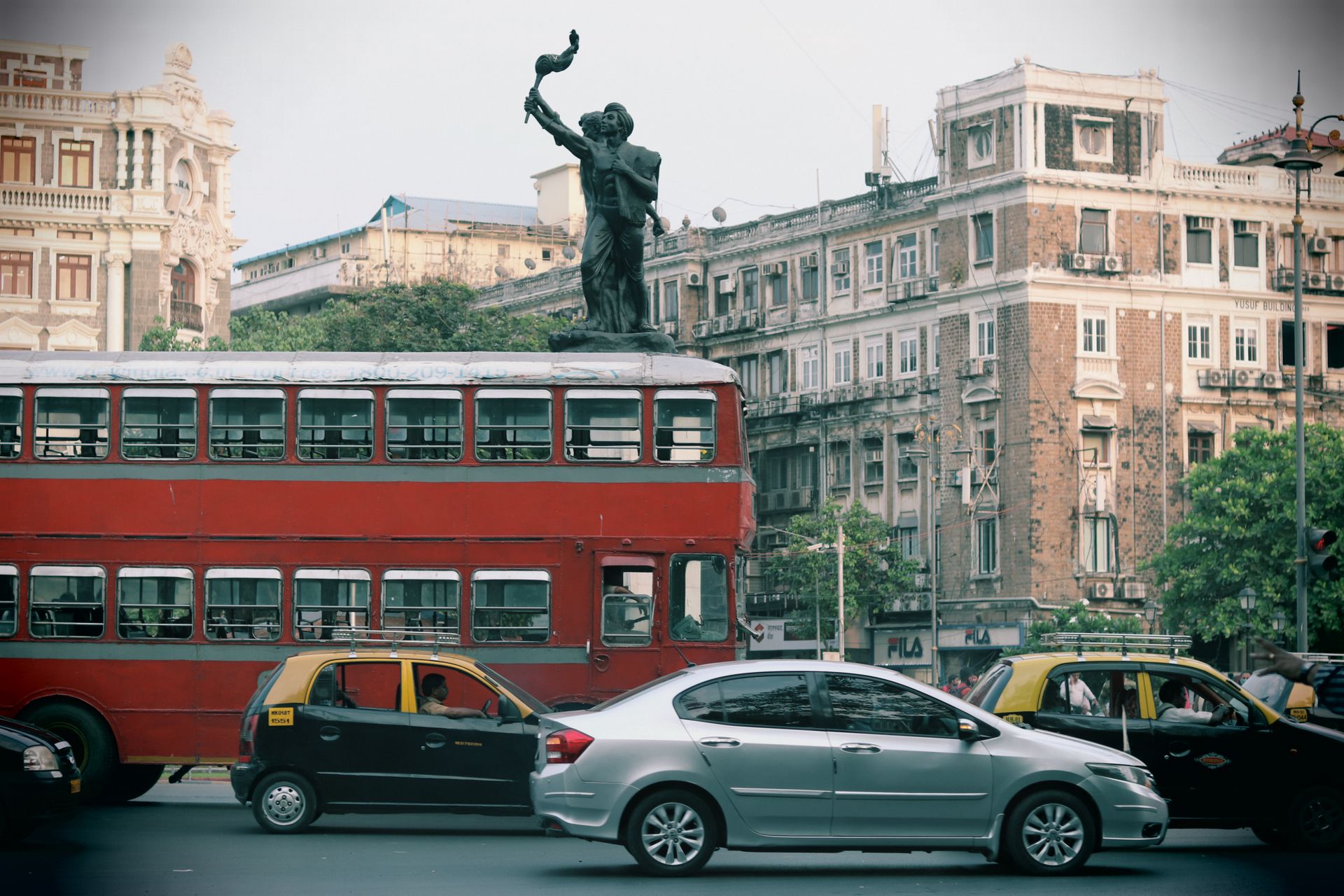
Eye test for Indian and Pakistani driving licence holders is also a good moment to think about the differences in driving. In India and Pakistan, traffic drives on the left, and the steering wheel is on the right side of the car. In Germany, traffic drives on the right, and the steering wheel is on the left. That is an important change, and most Indian and Pakistani licence holders need a few driving lessons to get used to it, even though they already know how to drive. The roundabouts, the speed limits, the right-of-way rules, and the priority at a junction are all different, and a driving school can teach you the German rules in a few lessons.
Eye test for Indian and Pakistani driving licence holders does not check whether you know the rules, but the theory test will. The theory test has 30 multiple-choice questions, and it can be taken in English in most testing centres, which helps if your German is not yet strong. The practical test is done on the road, and the examiner will expect you to follow the German rules, to check your mirrors, and to signal correctly, even if the rules were different in your home country. A patient driving instructor, who understands the switch from the left side to the right side, can make the change much easier.
Documents You Need for the Exchange
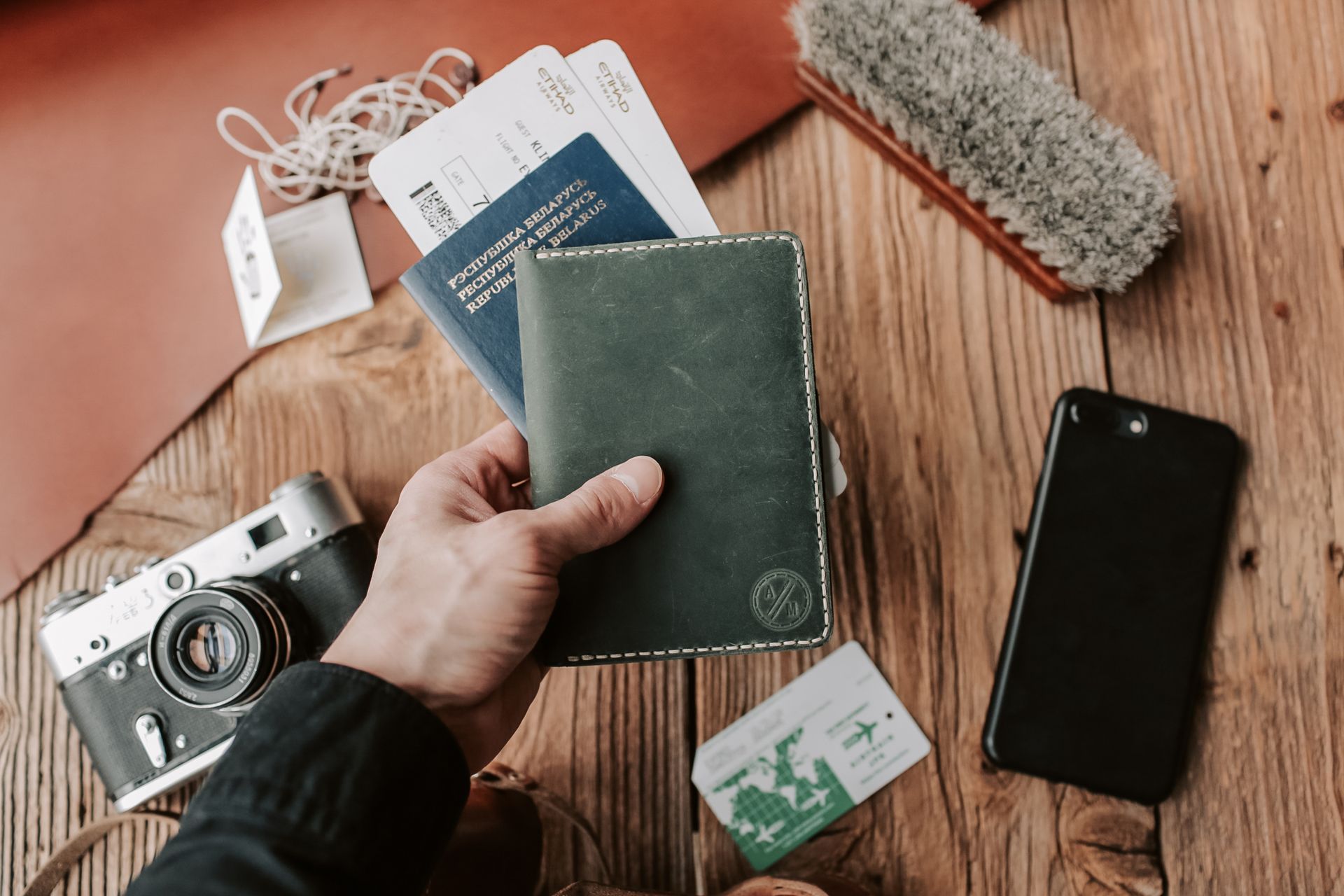
Eye test for Indian and Pakistani driving licence holders is one of several documents that the driving licence office asks for. The full list is: your identity card or passport, your residence permit, your Indian or Pakistani driving licence and a translation of it, the eye test certificate, the first aid course certificate, a biometric passport photo, and the completed application form. The first aid course costs about 40 euros and takes a day. The application fee is about 45 euros, and the theory and practical tests cost extra, usually about 25 euros for the theory test and about 120 euros for the practical test.
Eye test for Indian and Pakistani driving licence holders is the cheapest and quickest document on the list, so do it first, and keep the original safe with your other documents. The eye test validity when exchanging a foreign driving licence page on this site explains how long the certificate is valid, and the eye test for a driving licence page explains the standard test in detail. Together, they give you a clear picture of the first step, and the driving licence office can tell you about the other documents for your case.
What Happens If You Fail the Eye Test
Eye test for Indian and Pakistani driving licence holders can be failed, and the most common reasons are a glasses prescription that is out of date, a pair of glasses that is dirty or scratched, and tired eyes. If you fail, the optician will tell you your visual acuity and what the problem is. A new pair of glasses is often enough, and you can repeat the test at any optician after a few days. There is no compulsory waiting time, and there is no limit on how often you can repeat the test.
If a new prescription does not raise your visual acuity above 0.7, the optician will refer you to an ophthalmologist, and the driving licence office will decide on the basis of the ophthalmologist’s report. The office can issue a licence with restrictions, for example a licence that requires you to wear glasses, and that is a fair outcome for most drivers. Eye test for Indian and Pakistani driving licence holders is a test that most people pass, and a failure is usually the start of a solution, not the end of driving in Germany.
Getting Ready for the Theory and Practical Tests
Eye test for Indian and Pakistani driving licence holders in Germany is only the first document in a longer process, because India and Pakistan are not on the Annex 11 list, and a licence from either country must be exchanged through a theory test and a practical driving test. Eye test for Indian and Pakistani driving licence holders should be taken first, because the certificate is valid for two years, and it is the cheapest document on the list, so take it at a large optician chain, where it is often free, and keep it safe for the whole process, so that you do not have to take it twice.
Eye test for Indian and Pakistani driving licence holders in Germany is followed by the theory test, which has 30 multiple-choice questions, and which can be taken in English at most test centres, and sometimes in other languages, depending on the state. The questions cover road signs, right-of-way rules, speed limits, and the duties of a driver, and many of the rules are different from the rules in India and Pakistan. Eye test for Indian and Pakistani driving licence holders is a good time to start learning the German rules, because a driving school can give you the study material in English, and there are apps that let you practise the questions, and most students pass after a few weeks of study.
Eye test for Indian and Pakistani driving licence holders in Germany is also a good moment to think about the practical test, because traffic drives on the right in Germany, and the steering wheel is on the left, which is the opposite of India and Pakistan. A patient driving instructor, who understands the switch from the left side to the right side, can make the change much easier, and most Indian and Pakistani licence holders need a few lessons to get used to roundabouts, the speed limits, the right-of-way rules, and the priority at a junction. Eye test for Indian and Pakistani driving licence holders does not test those skills, but a driving school does, and it is worth choosing one that teaches in English.
Eye test for Indian and Pakistani driving licence holders in Germany costs between 6.43 and 15 euros, and the rest of the process costs more: the application fee is about 45 euros, the theory test costs about 25 euros, the practical test costs about 120 euros, and the driving lessons cost extra, depending on how many you need. Eye test for Indian and Pakistani driving licence holders is the first step, and the whole exchange usually takes one to three months, so start early, and do the eye test first, so that your certificate is valid for the whole process.
Frequently Asked Questions
Is an Indian or Pakistani driving licence valid in Germany?
Eye test for Indian and Pakistani driving licence holders is needed because an Indian or Pakistani licence is valid in Germany for six months after you register your address. After six months, you need a German licence, and the eye test certificate is one of the documents for the exchange.
Do I need to take a driving test to exchange an Indian or Pakistani licence?
Usually yes. Eye test for Indian and Pakistani driving licence holders is required, and India and Pakistan are not on the Annex 11 list for a direct exchange without tests, so you must pass a theory test and a practical driving test in Germany. Check with your local licence office for your case.
How much does the eye test cost for an Indian or Pakistani licence holder?
The standard eye test costs between 6.43 and 15 euros at an optician, and it is often free at large optician chains. The translation of your licence costs between 30 and 60 euros, and the first aid course costs about 40 euros.
Can the theory test be taken in English?
Yes, in most testing centres the theory test can be taken in English, and sometimes in other languages, depending on the state. Ask the driving school or the testing centre before you book, and choose the language that is easiest for you.
How long does the exchange take?
Eye test for Indian and Pakistani driving licence holders is quick, but the whole exchange usually takes between one and three months, depending on the waiting time at the licence office, the driving school, and the testing centre. Take the eye test first, so that your certificate is valid for the whole process.
For the official legal text behind the rules in this article, see the German driving licence regulation (Fahrerlaubnis-Verordnung).
Eye test for Indian and Pakistani driving licence holders in Germany is the standard eye test. Eye test for Indian and Pakistani driving licence holders is cheap, quick, and easy to arrange at any optician. Eye test for Indian and Pakistani driving licence holders is the first step to a German licence.
Conclusion
Eye test for Indian and Pakistani driving licence holders in Germany is the standard Sehtest, and it is the first step in exchanging an Indian or Pakistani licence for a German one. Your licence is valid for six months after you register your address, and then you need a German licence. The exchange usually requires a theory test and a practical test, because India and Pakistan are not on the Annex 11 list for a direct exchange, and it also requires an eye test certificate, a first aid course, a translation of your licence, and a biometric photo. Take the eye test first, because it is cheap, it takes twenty minutes, and the certificate is valid for two years. Plan for the switch from driving on the left to driving on the right, take a few driving lessons, and you can get your German licence and drive in Germany without any problems.